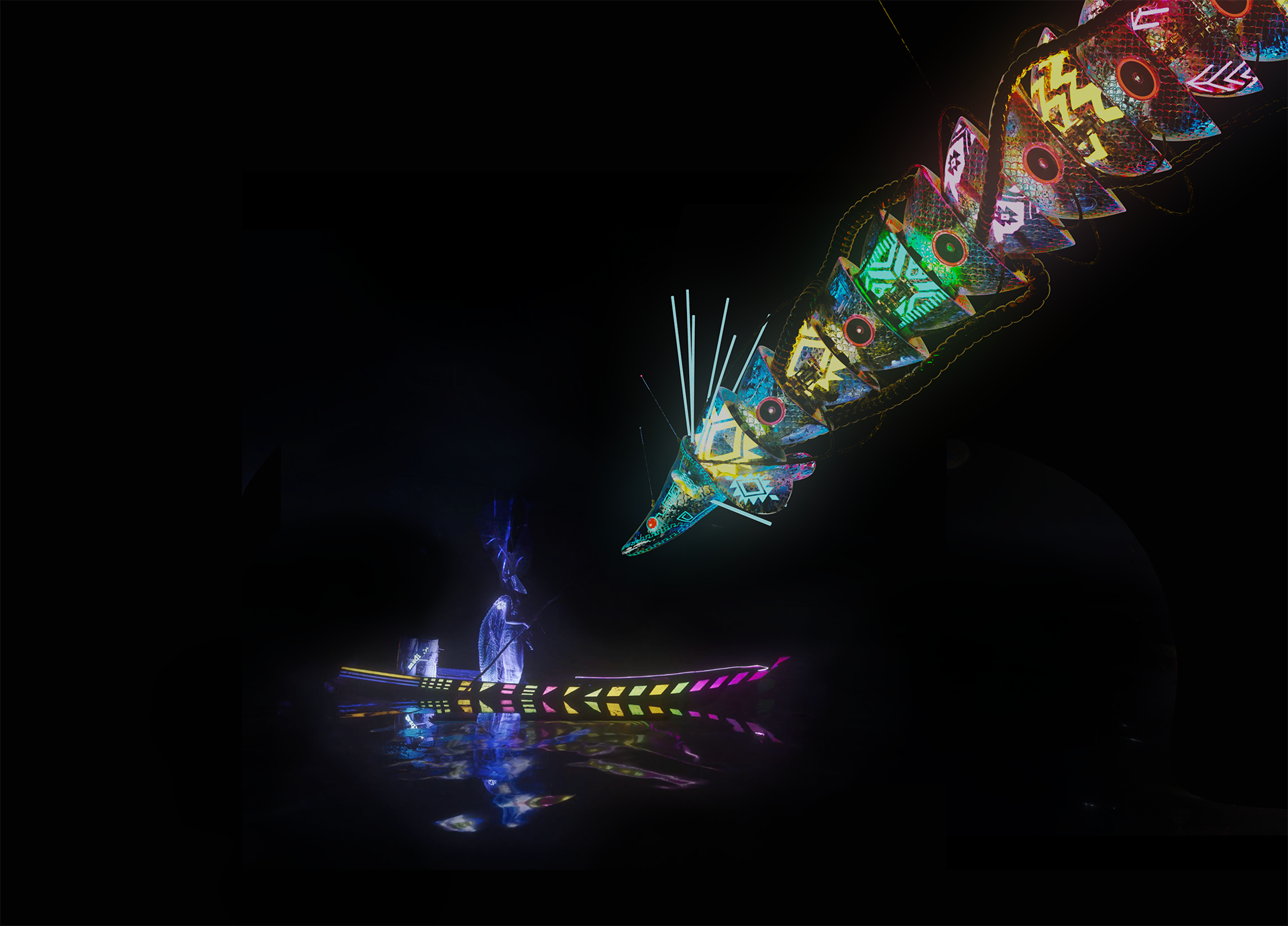
Imaginary Atlas, Amazonia
COP30 (United Nations Climate Conference) - Belém do Pará | SESI Lab, Brasília | Brazil
trailer gallery worldbuilding tek+tech digital libraries soundtrack team
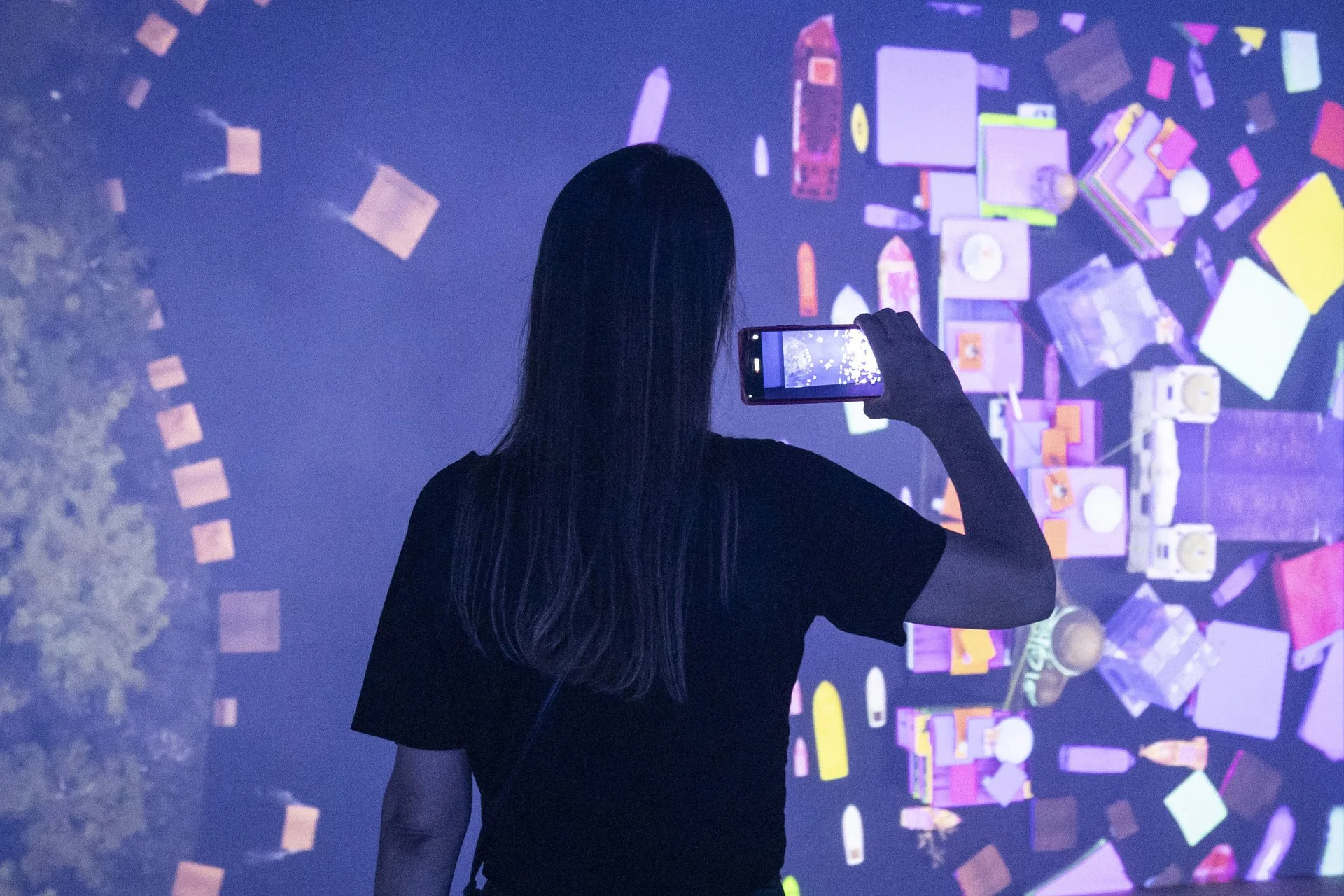
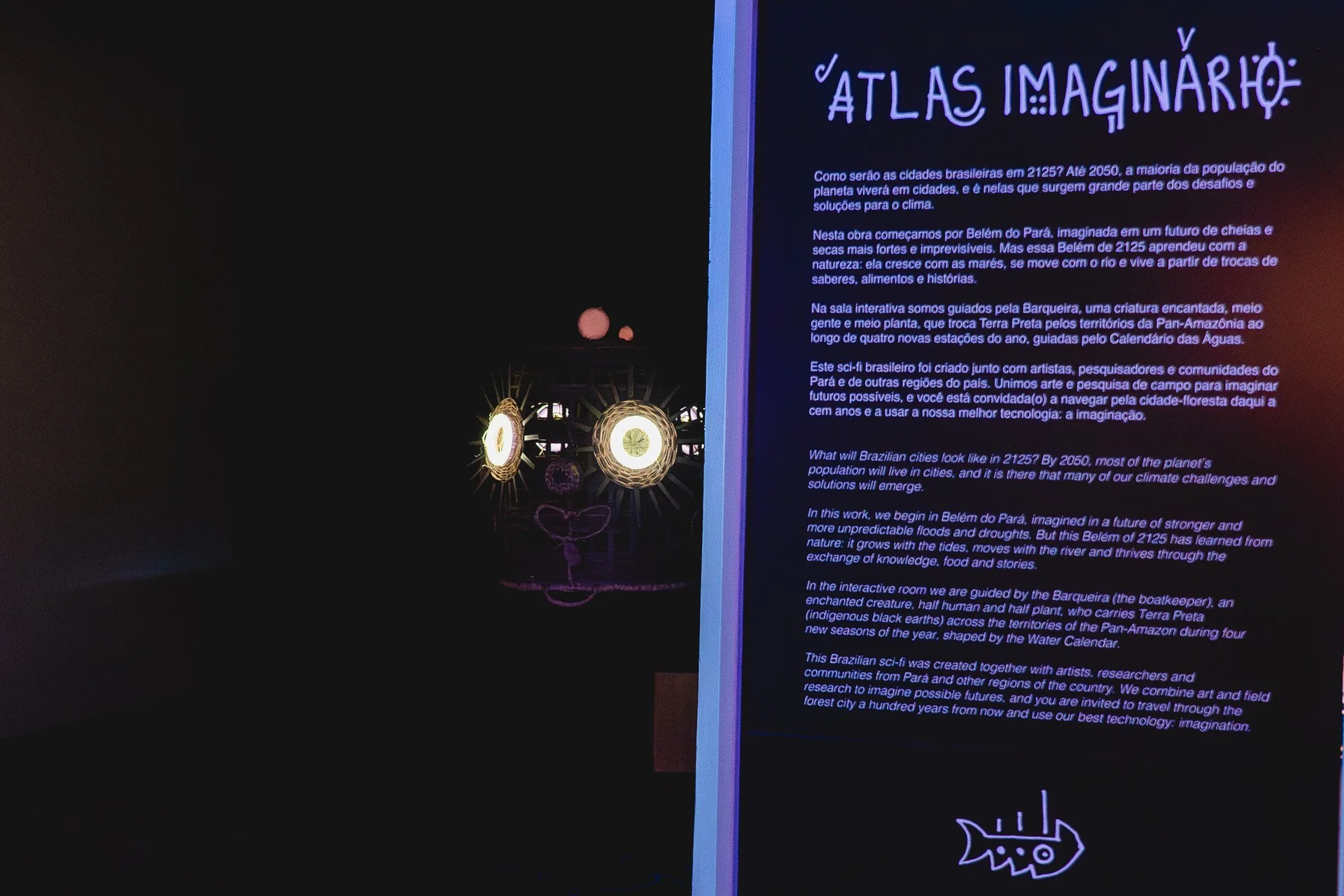
What will Amazonian cities be like in 2125? The Imaginary Atlas is an art-based research and immersive installation that envisions urban futures in the Amazon in 100 years from now. Created in collaboration with local researchers, artists, and communities from both urban and forest areas, it blends local knowledge, sci-fi, and interactive media to provoke deeper reflection on how cities can evolve beyond environmental collapse and extractive relationships with nature.
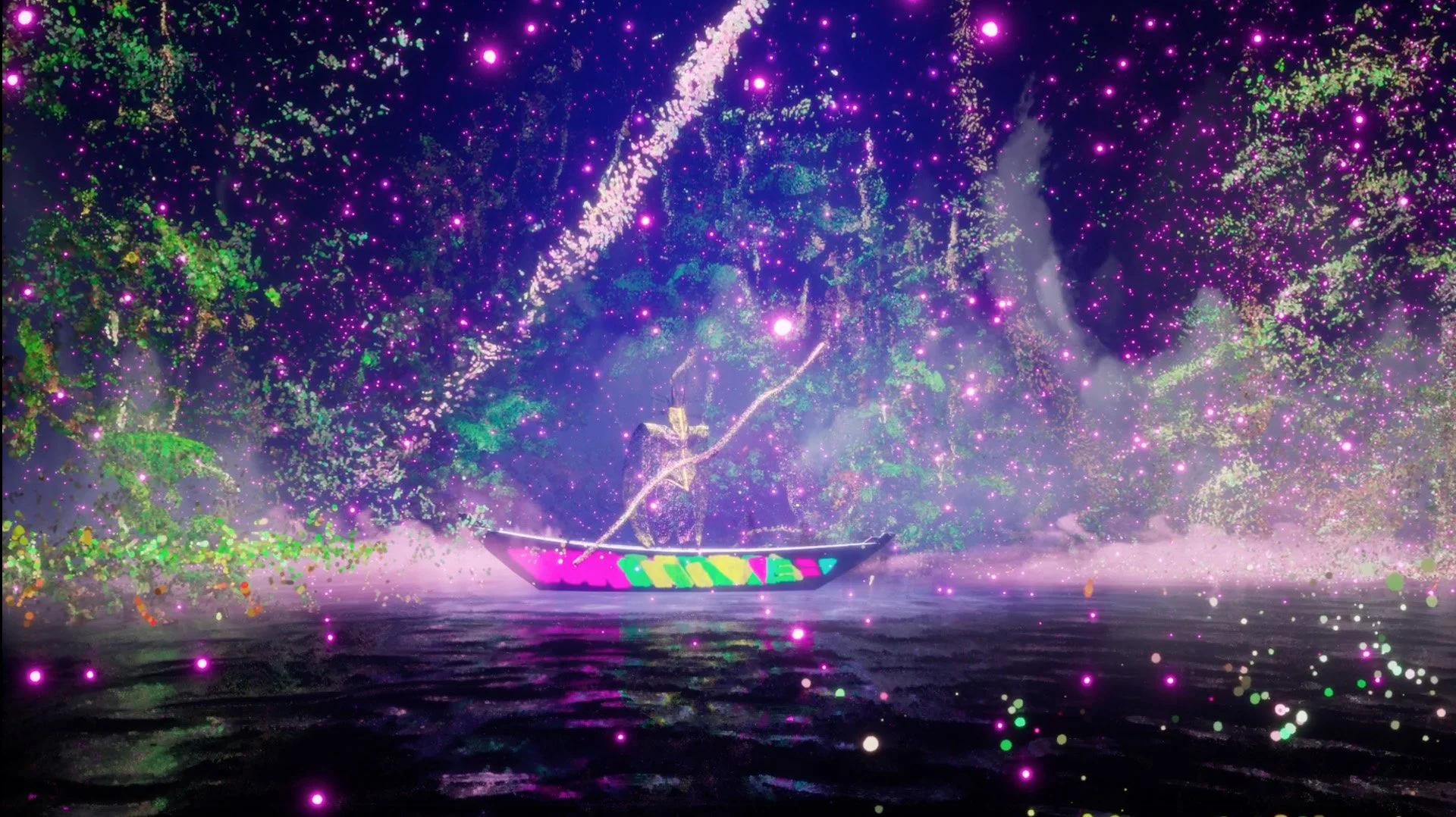
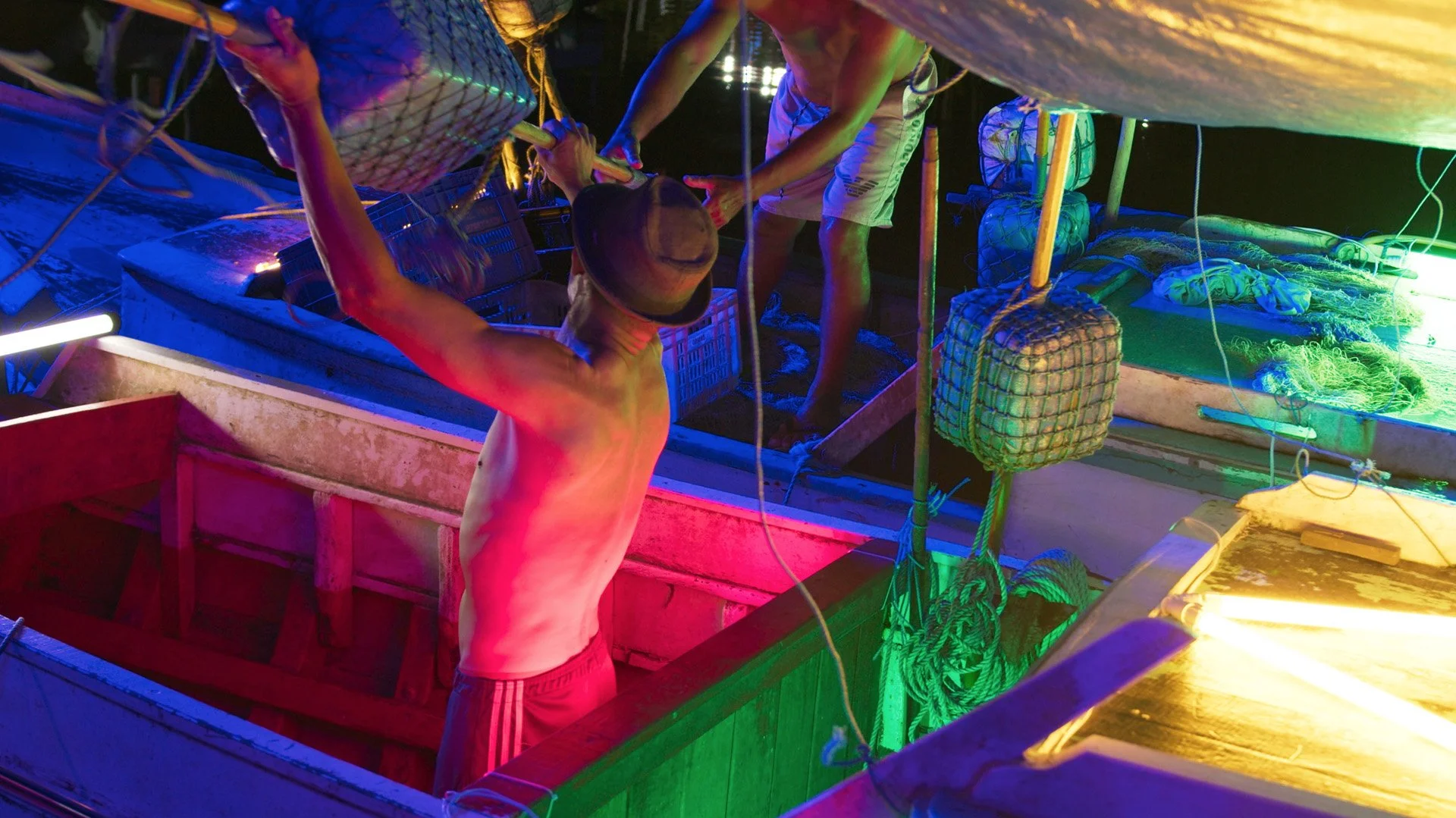
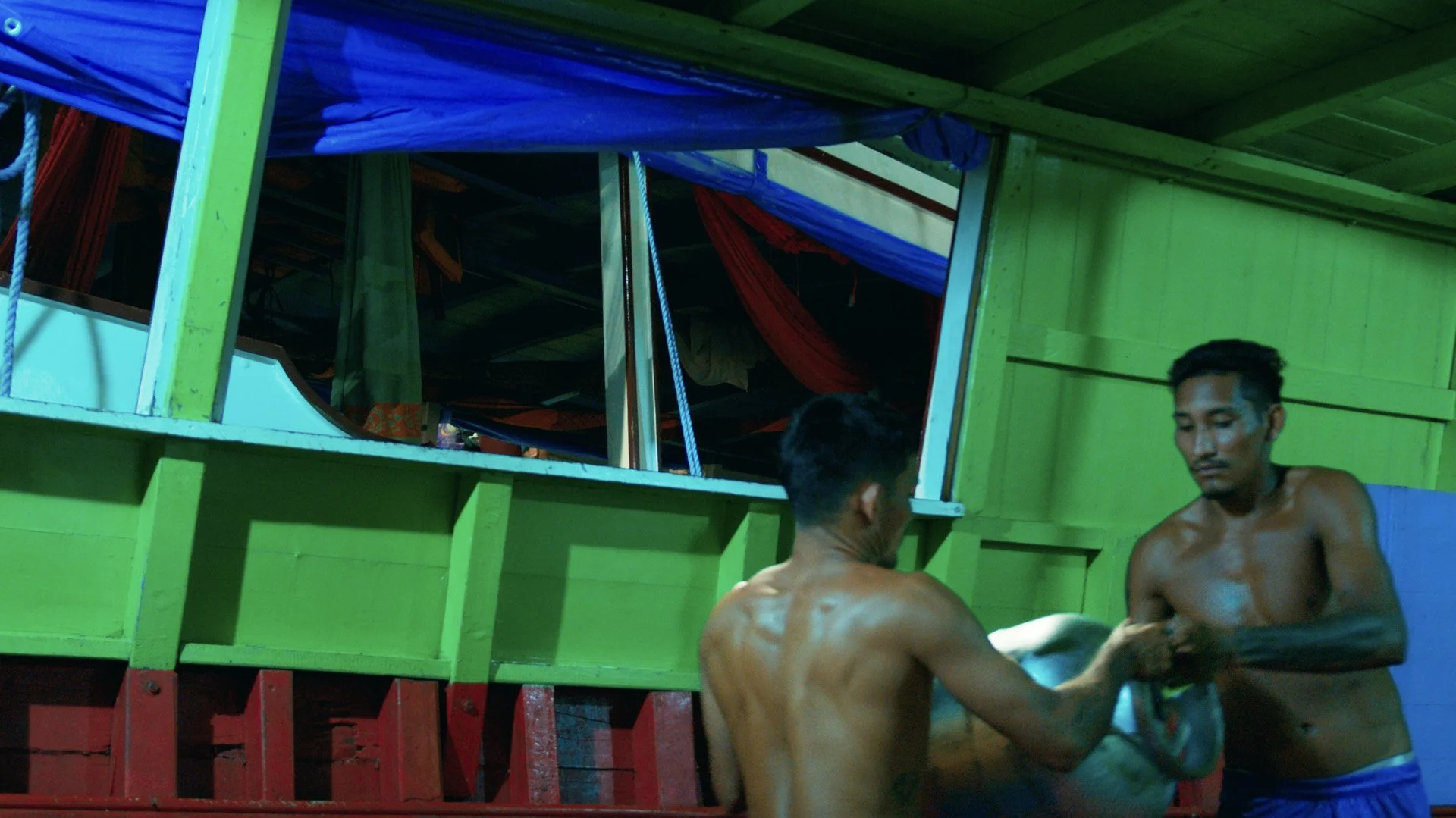
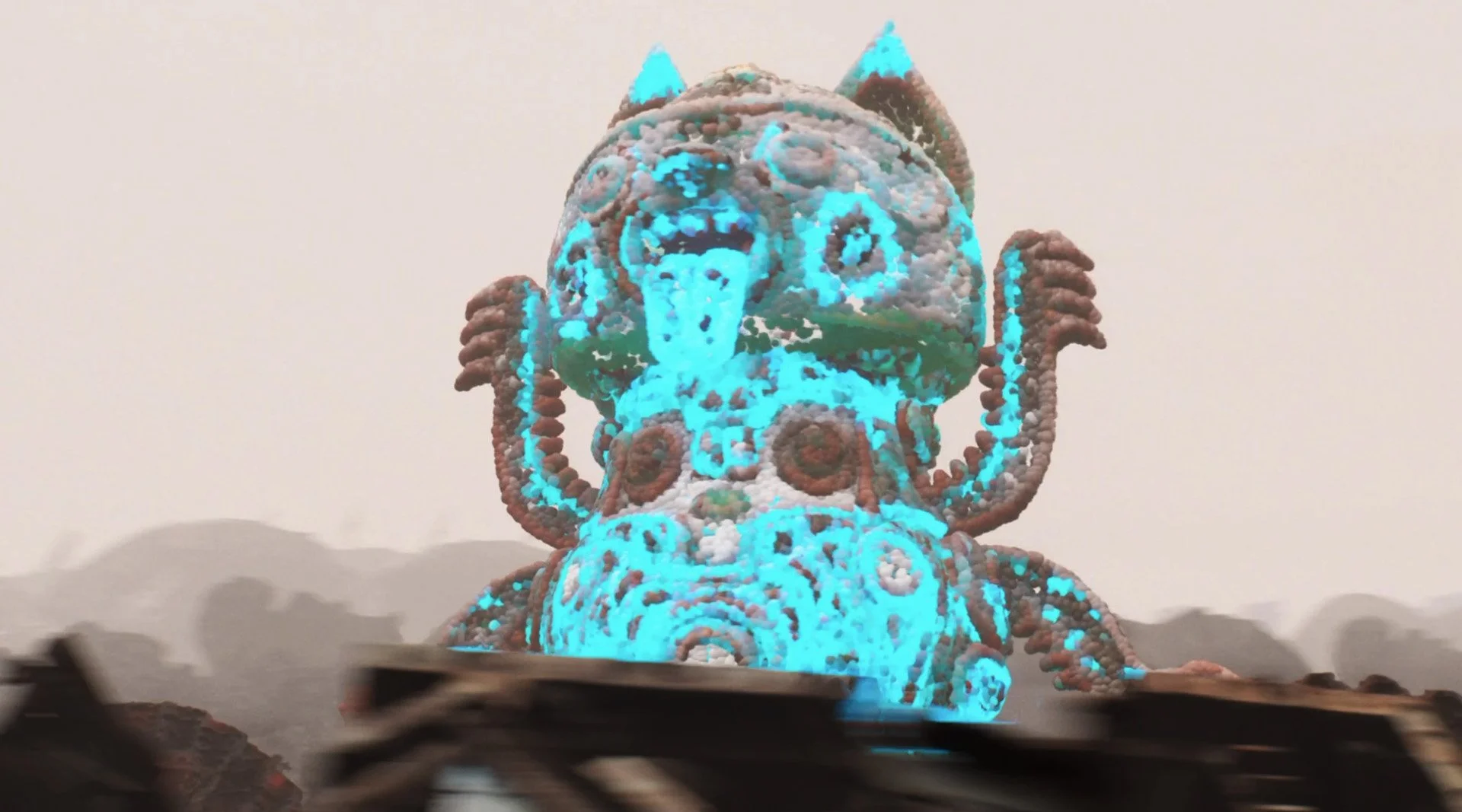
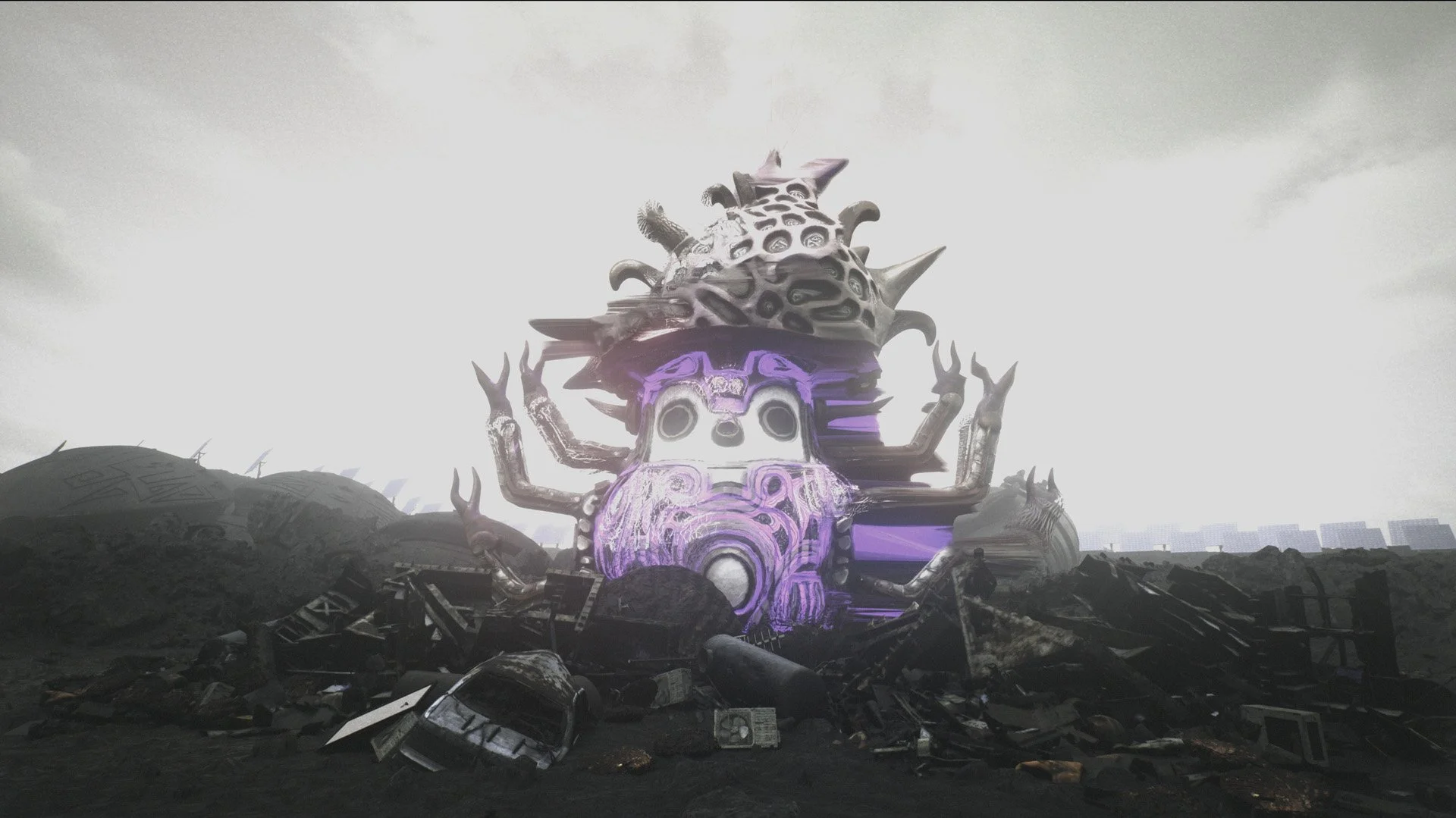
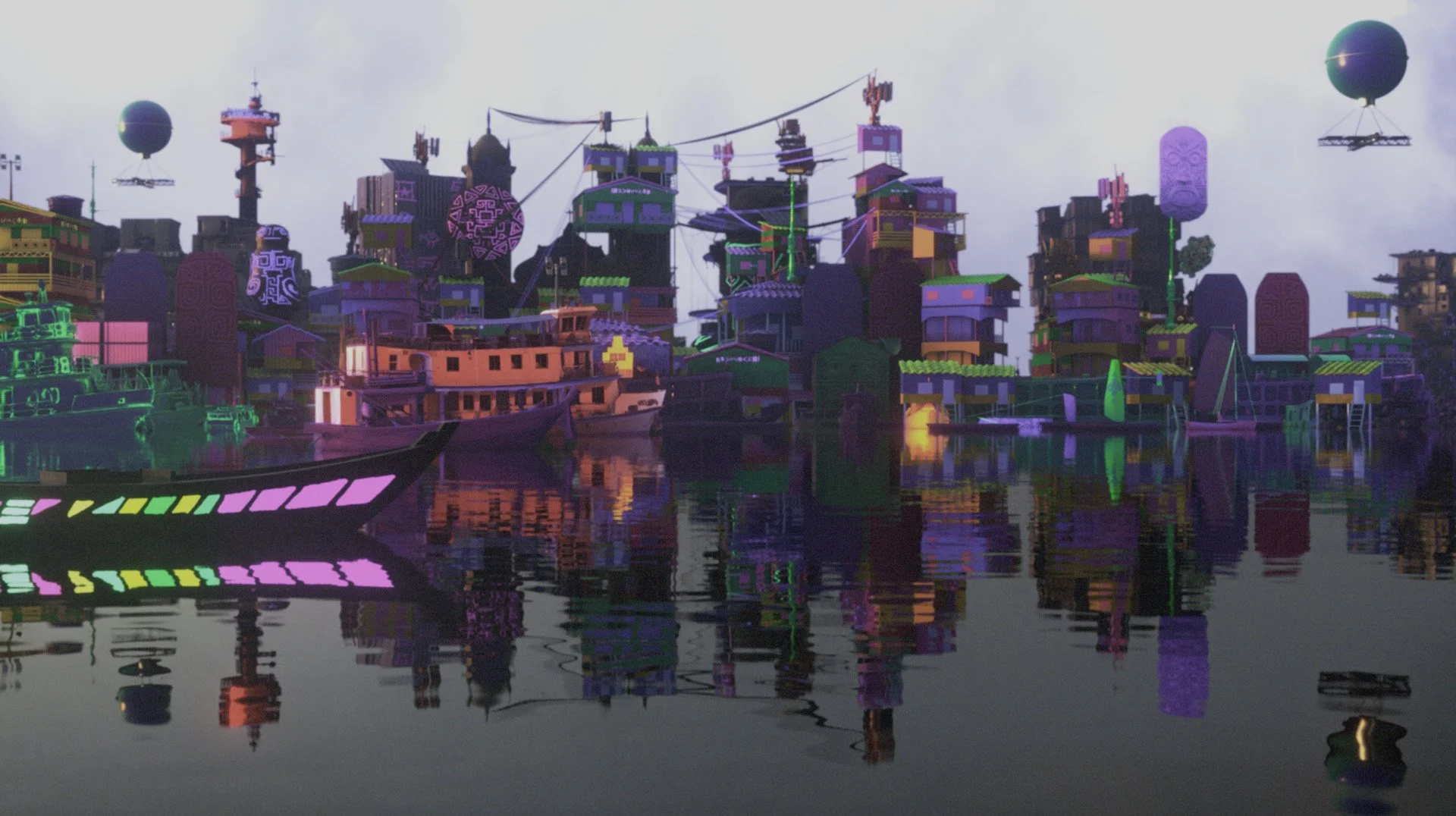
The project begins in Belém do Pará city, in the heart of the Amazon rainforest. Imagined in a time when great floods and droughts become more frequent and unpredictable, Belém in 2125 sails with the tides, breathes, expands, grows, and learns. Its exchanges are not measured in money, but in knowledge, food, and stories.
The Atlas transforms physical and digital materials into a living environment where imagination becomes a tool for collective future-making. More than an artwork, it proposes a new way of doing research, one where art and science walk together to imagine tomorrow.
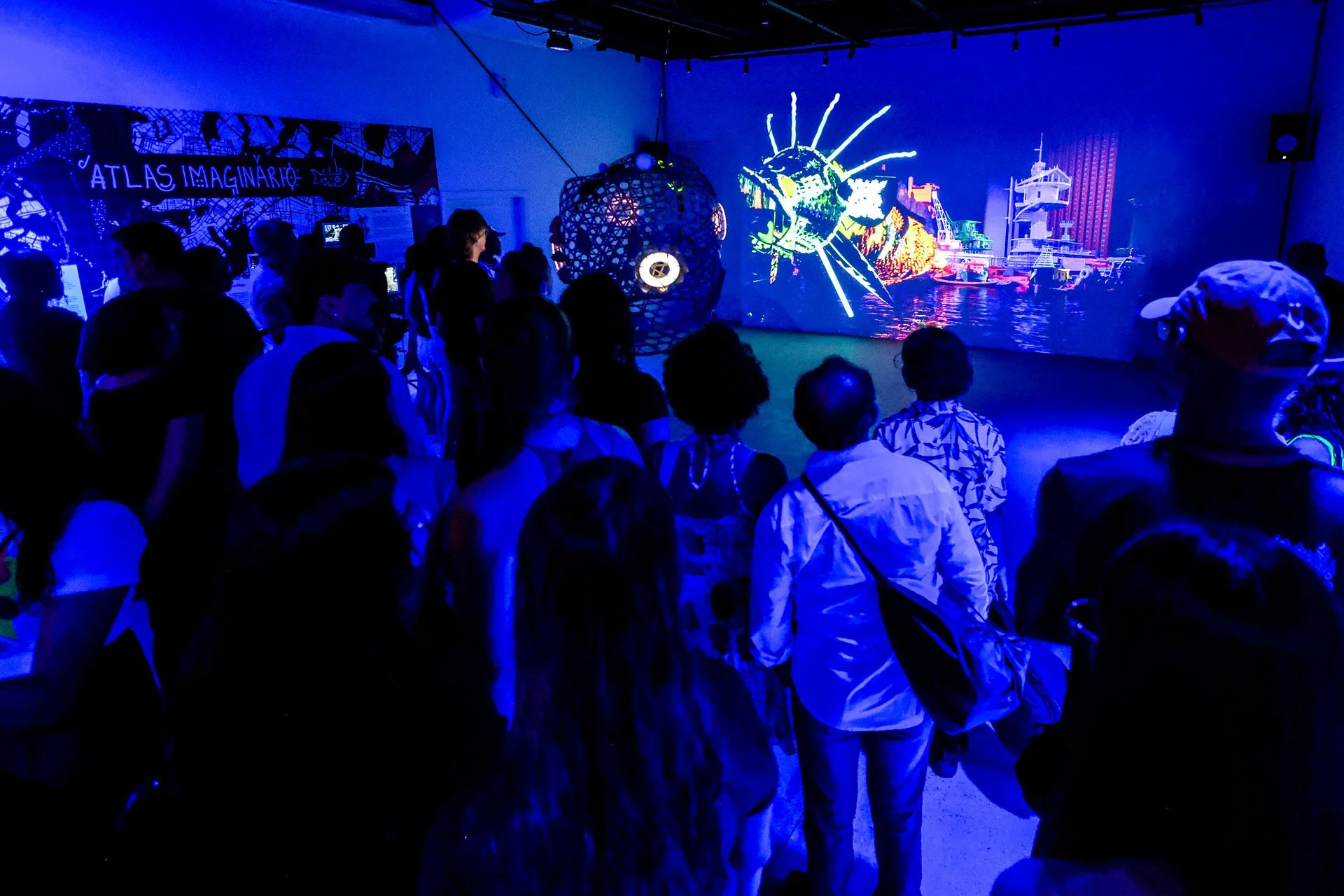
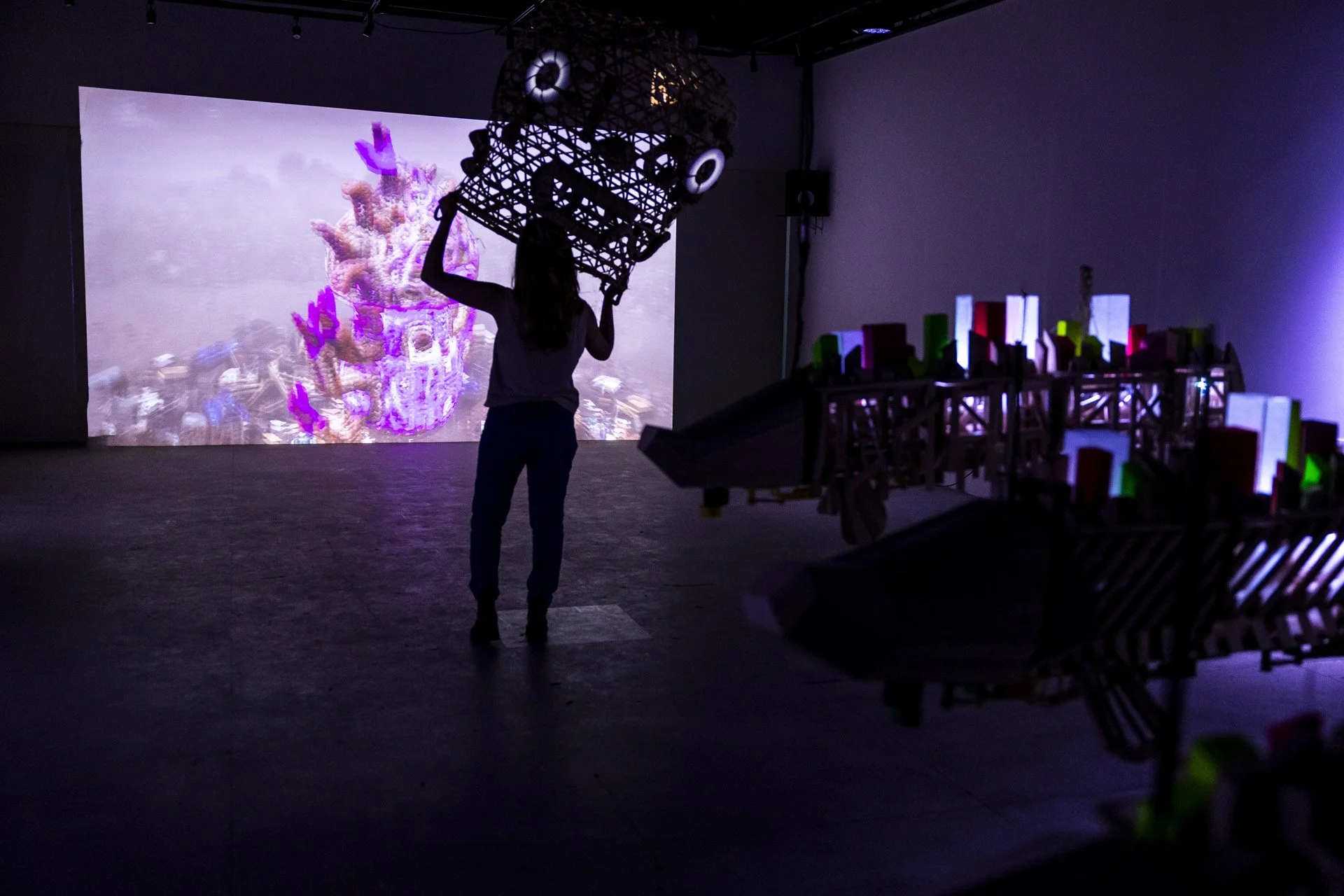
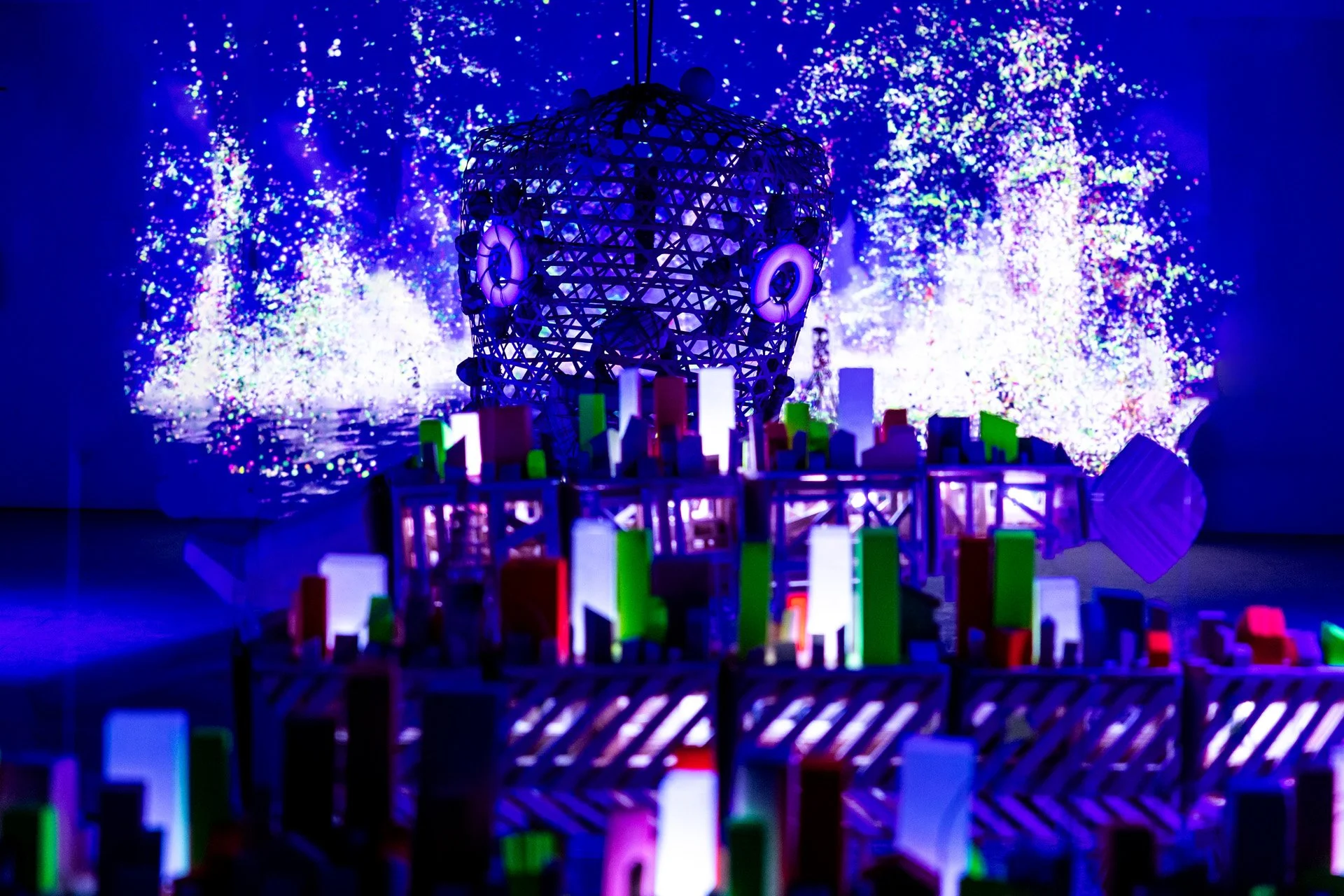
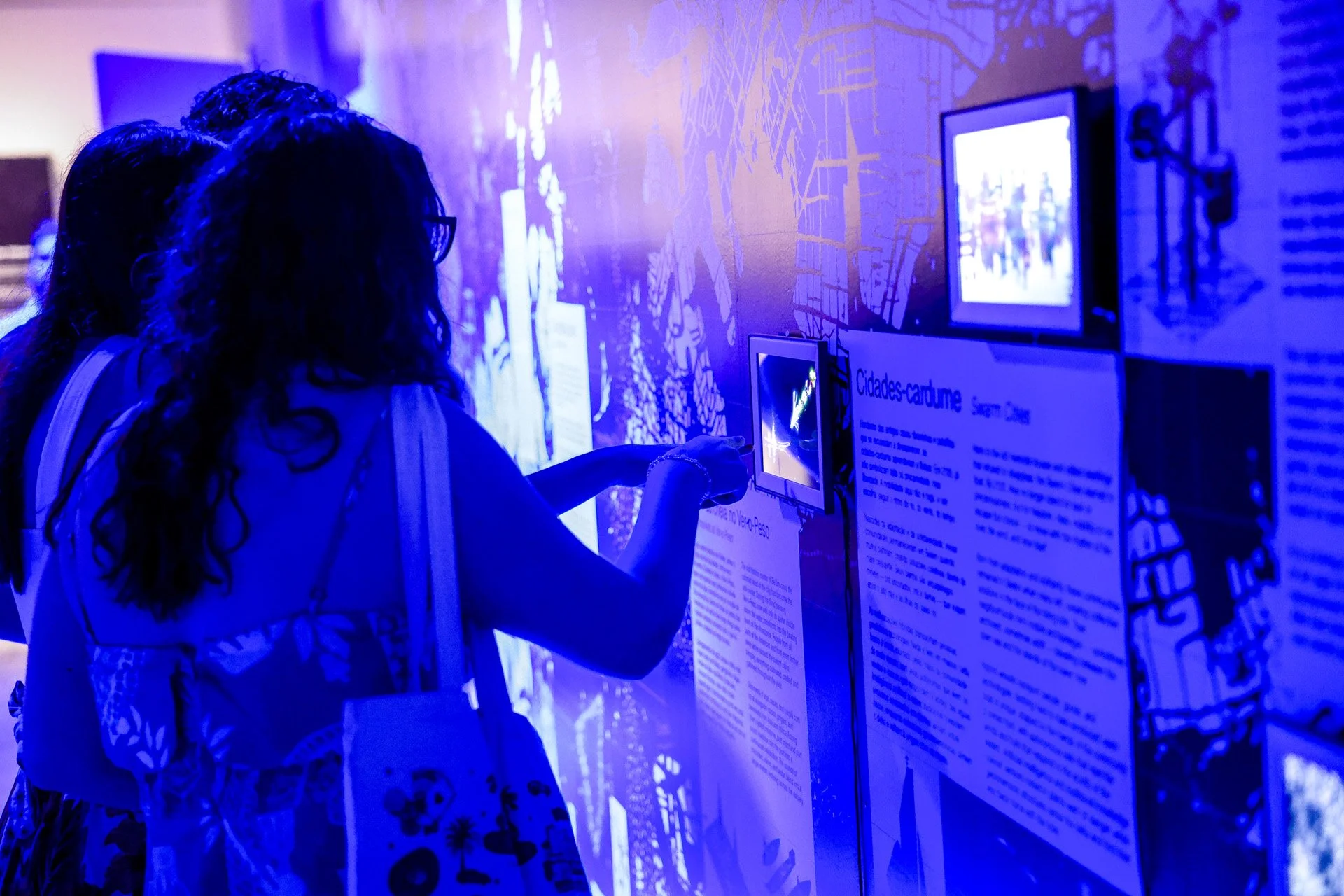
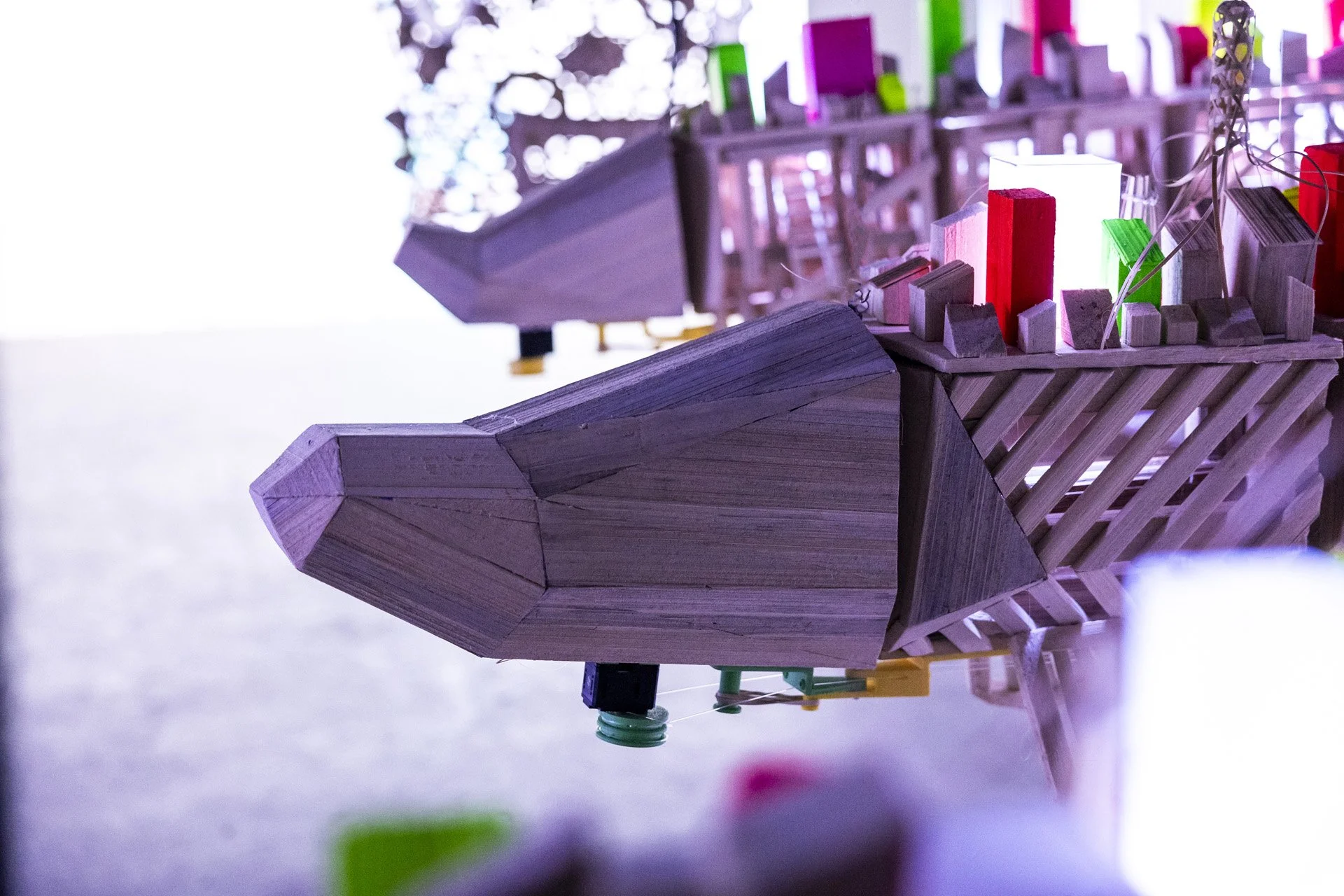
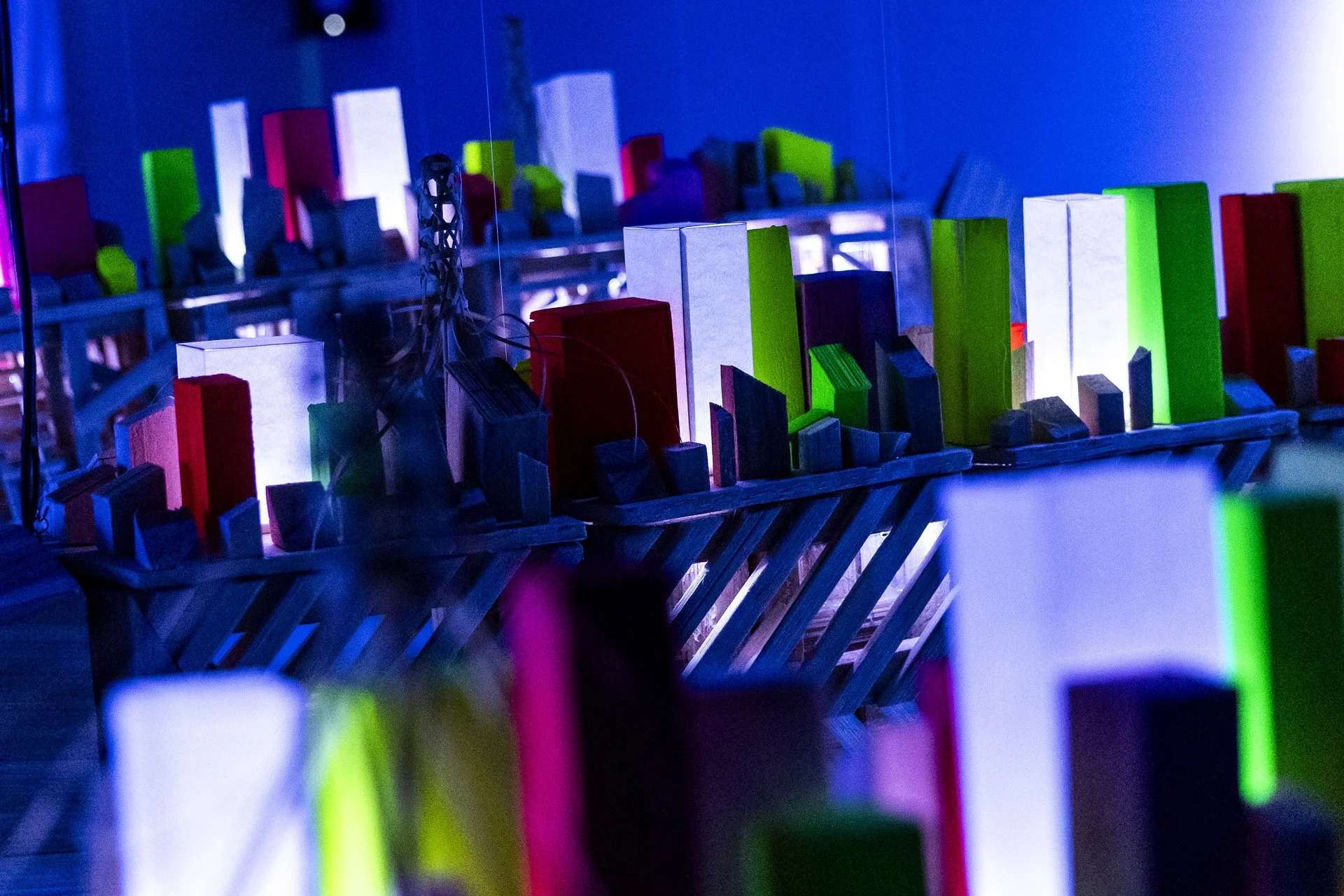
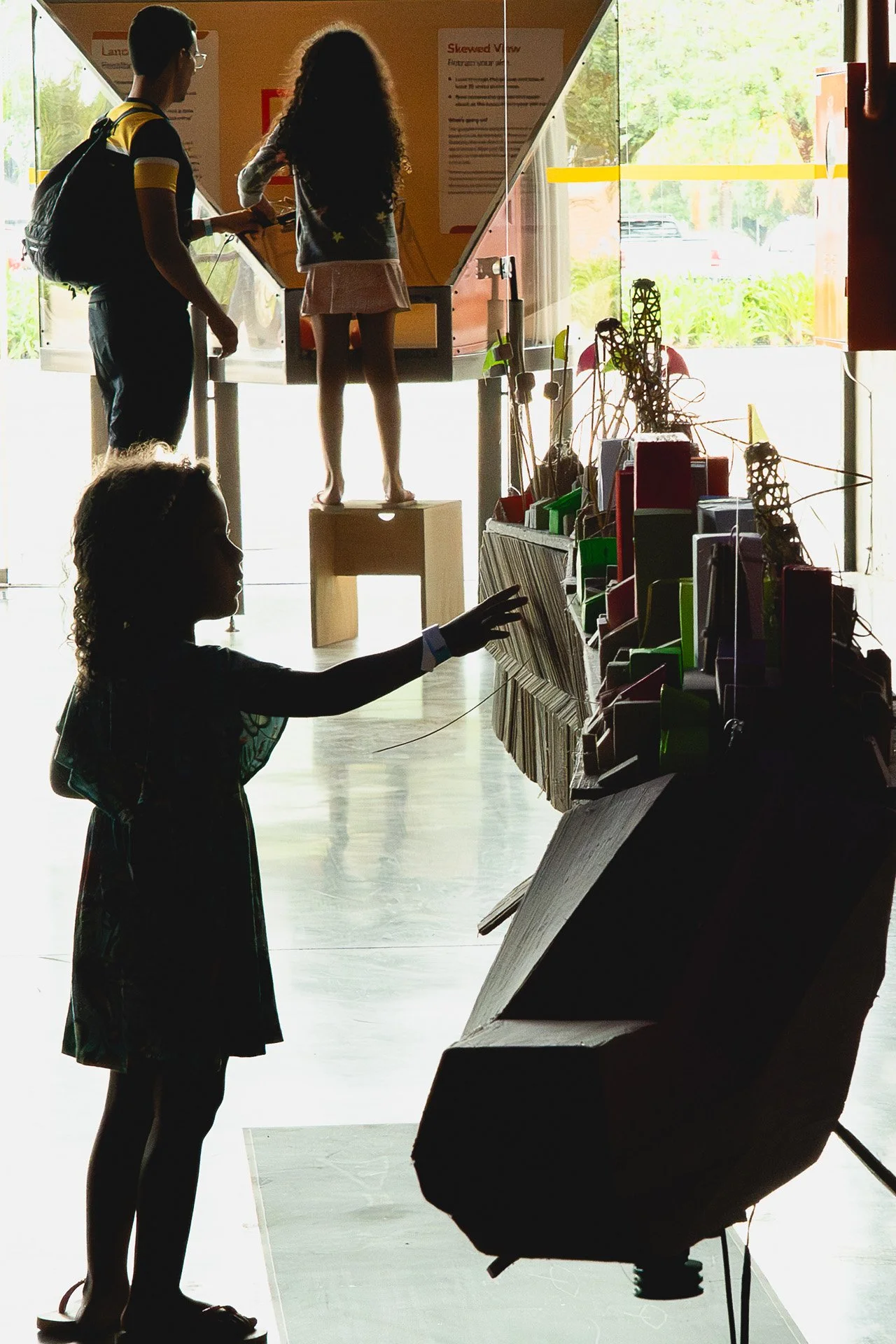
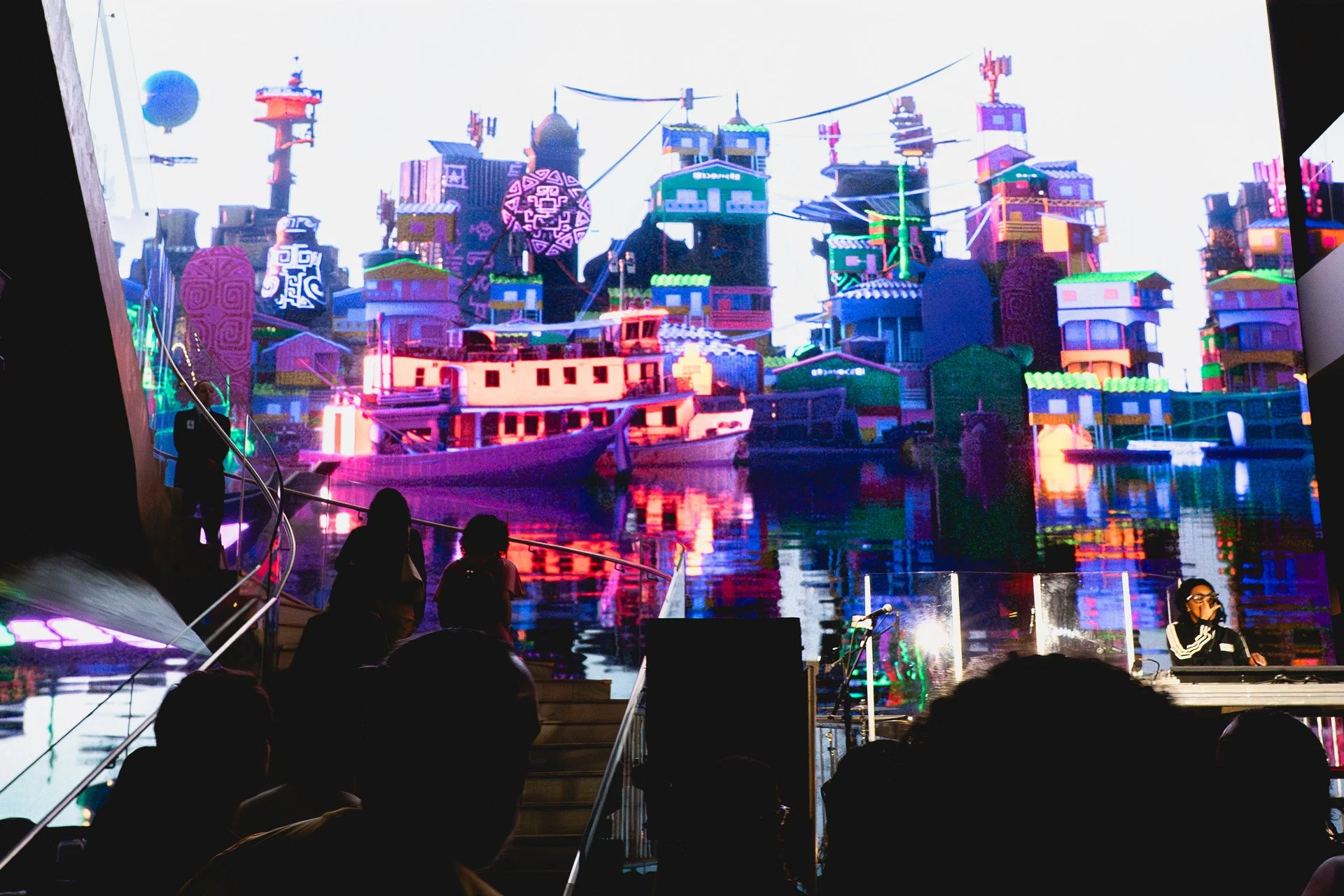
Belém 2125: water, time, and new urban ecologies
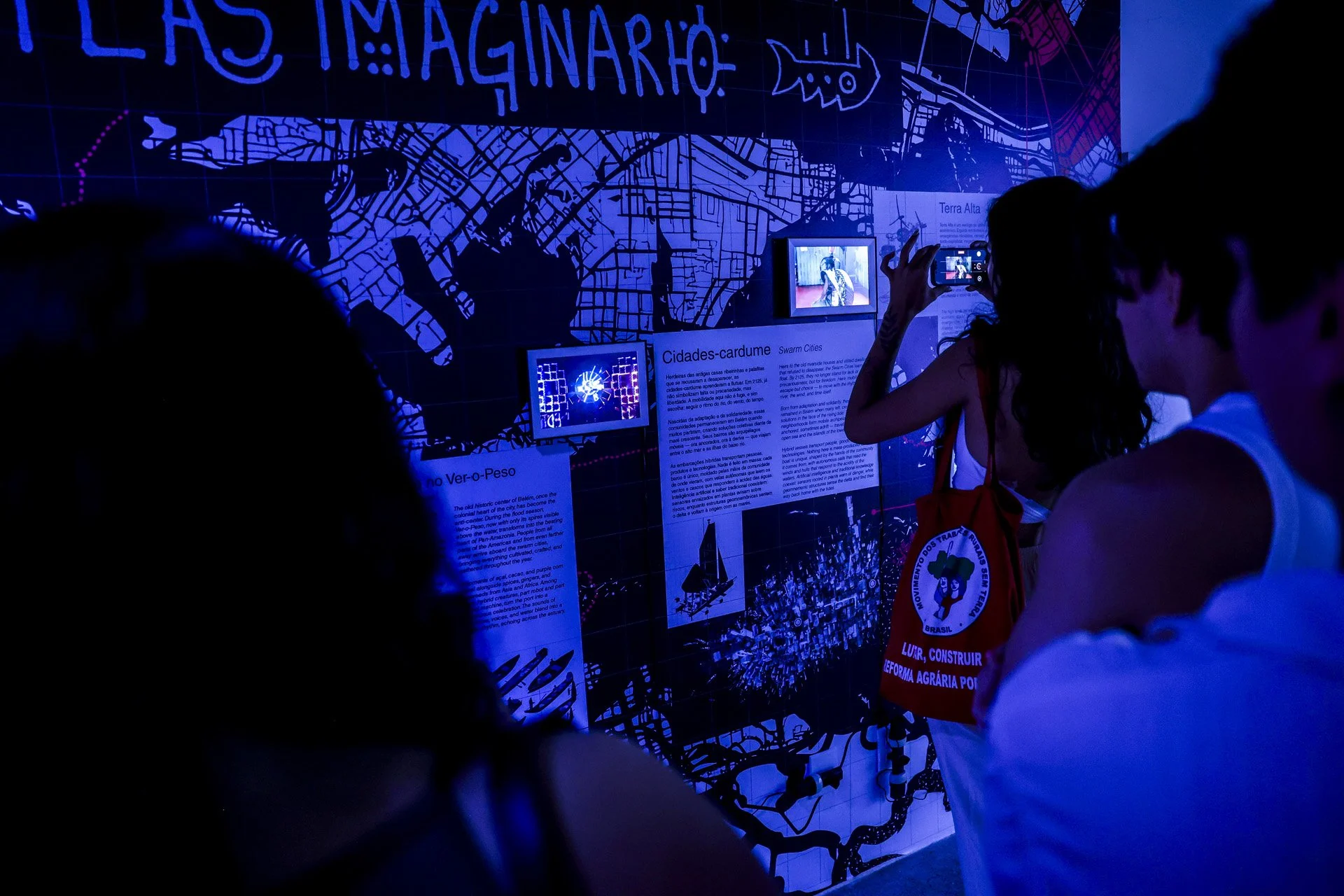
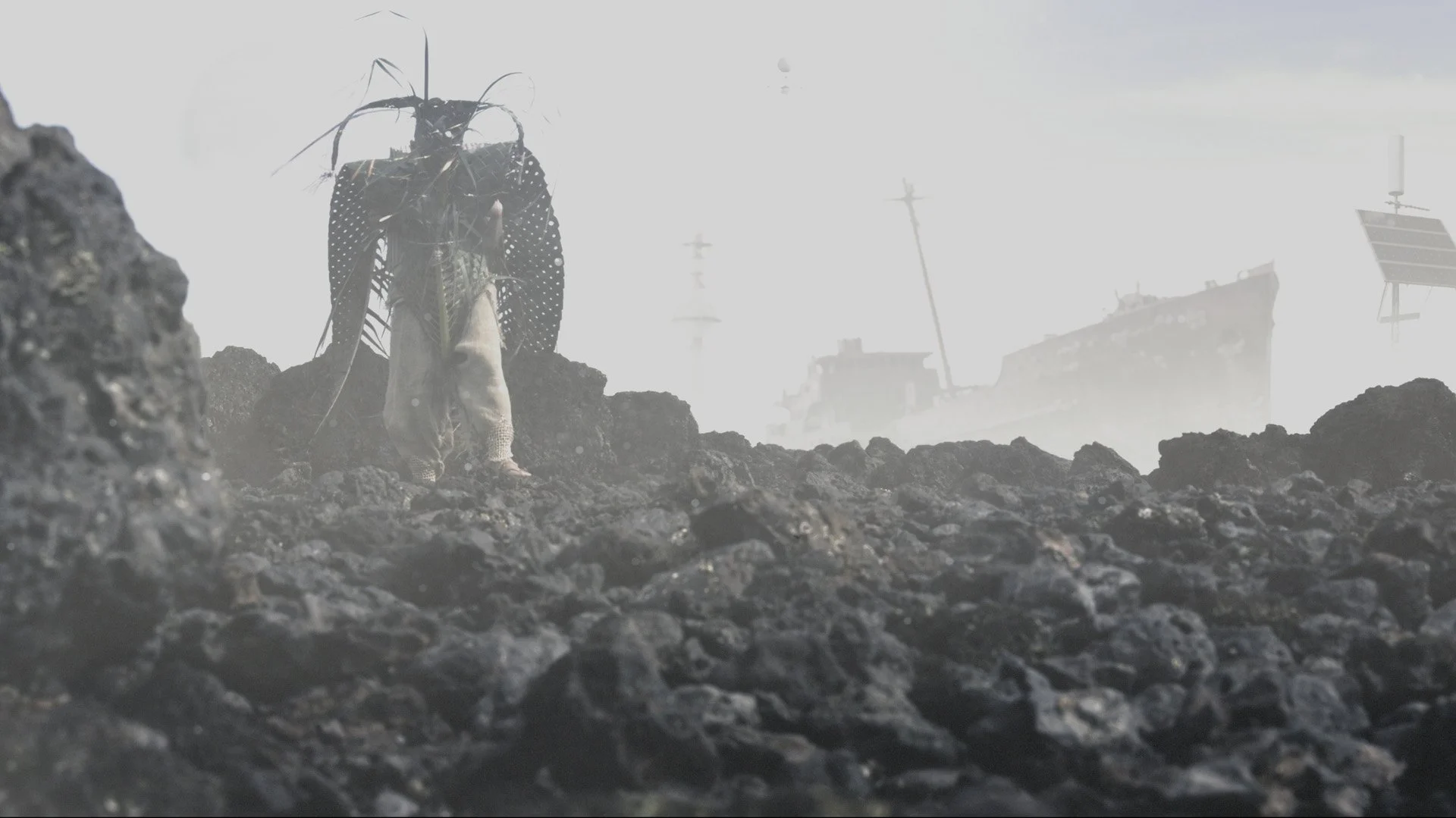
By the 22nd century, rising waters have transformed Belém city into a shifting archipelago that periodically dries. Time is no longer measured in months, but by tides and water levels. A Water Calendar governs daily life, trade, mobility, and social relations.
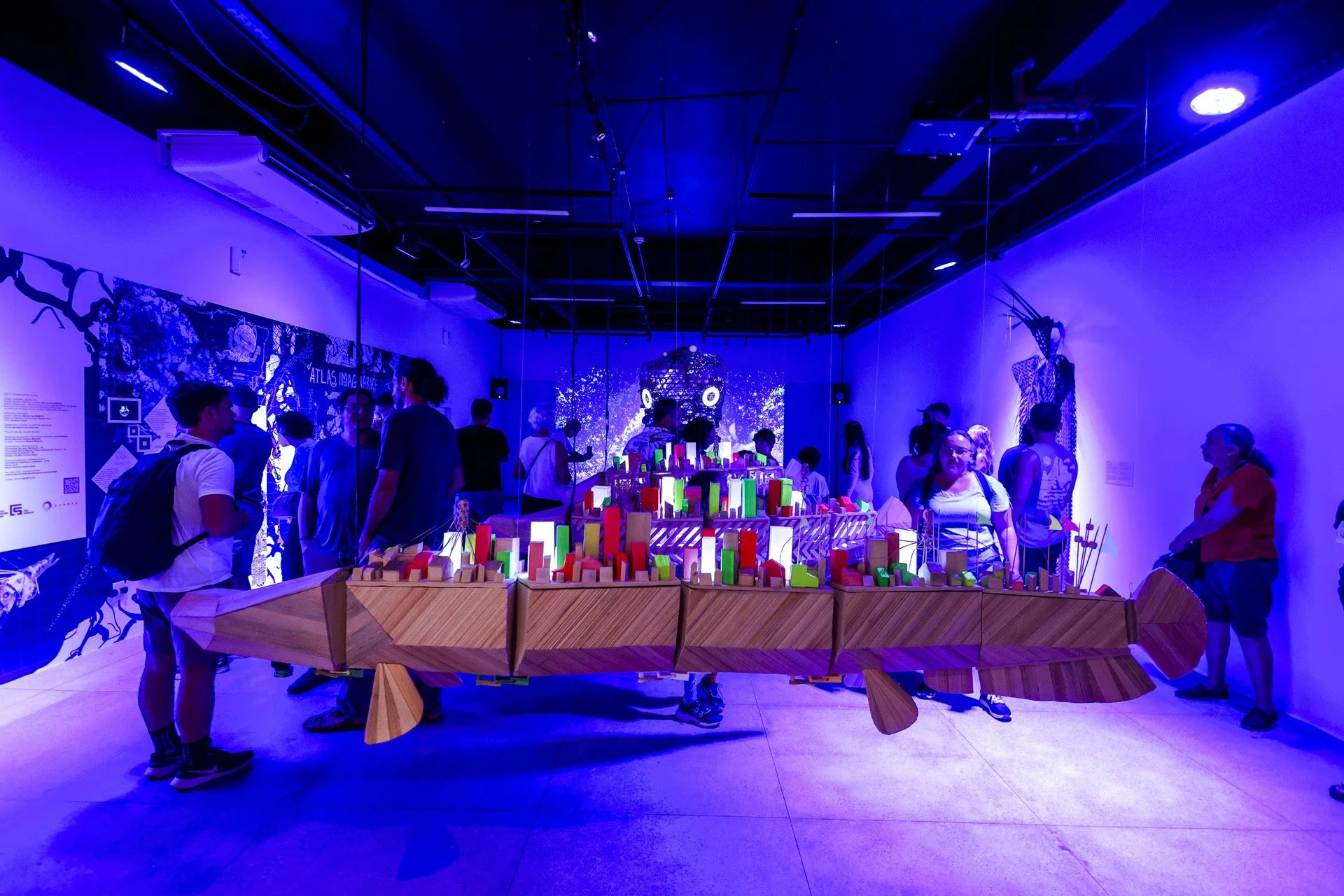
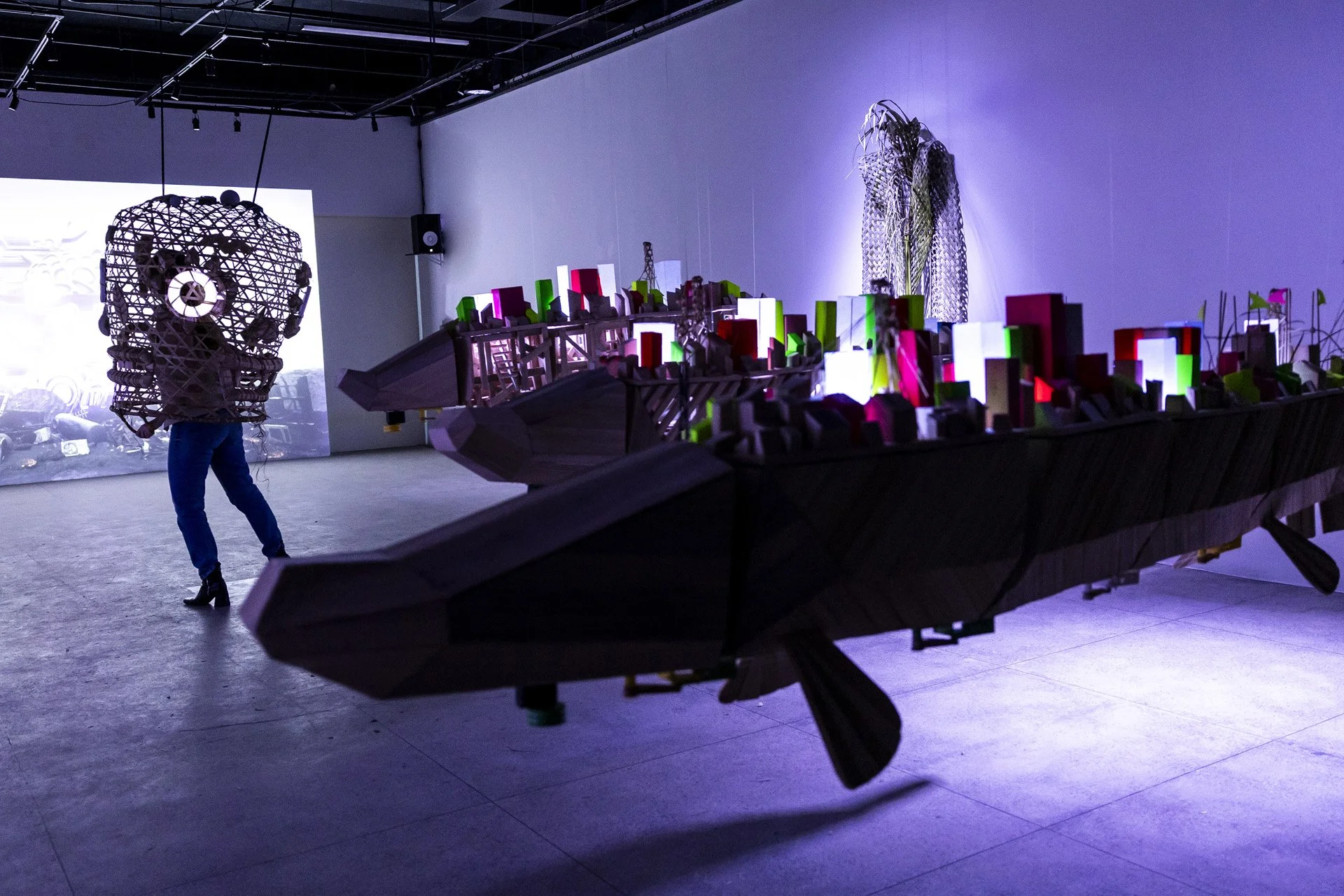
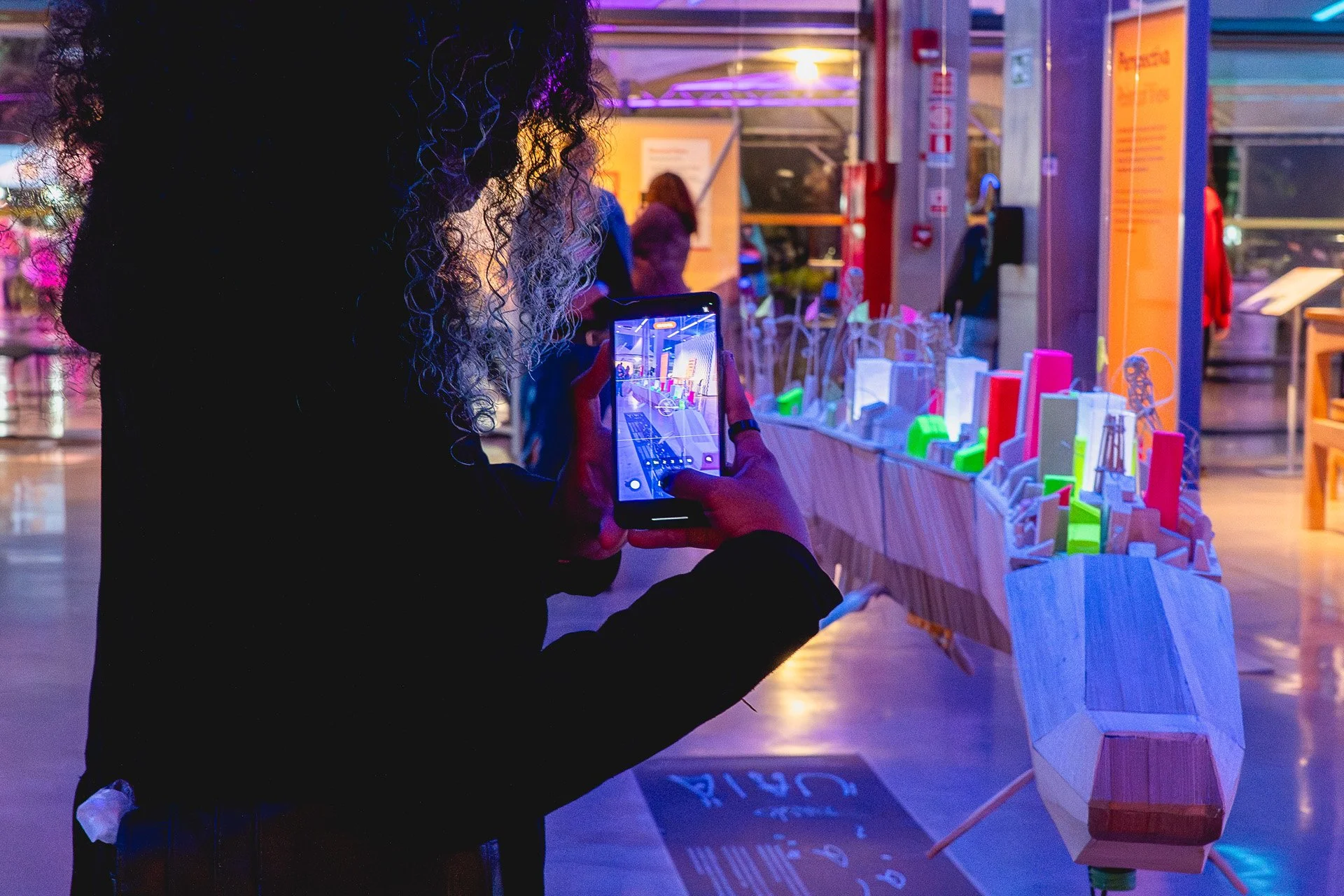
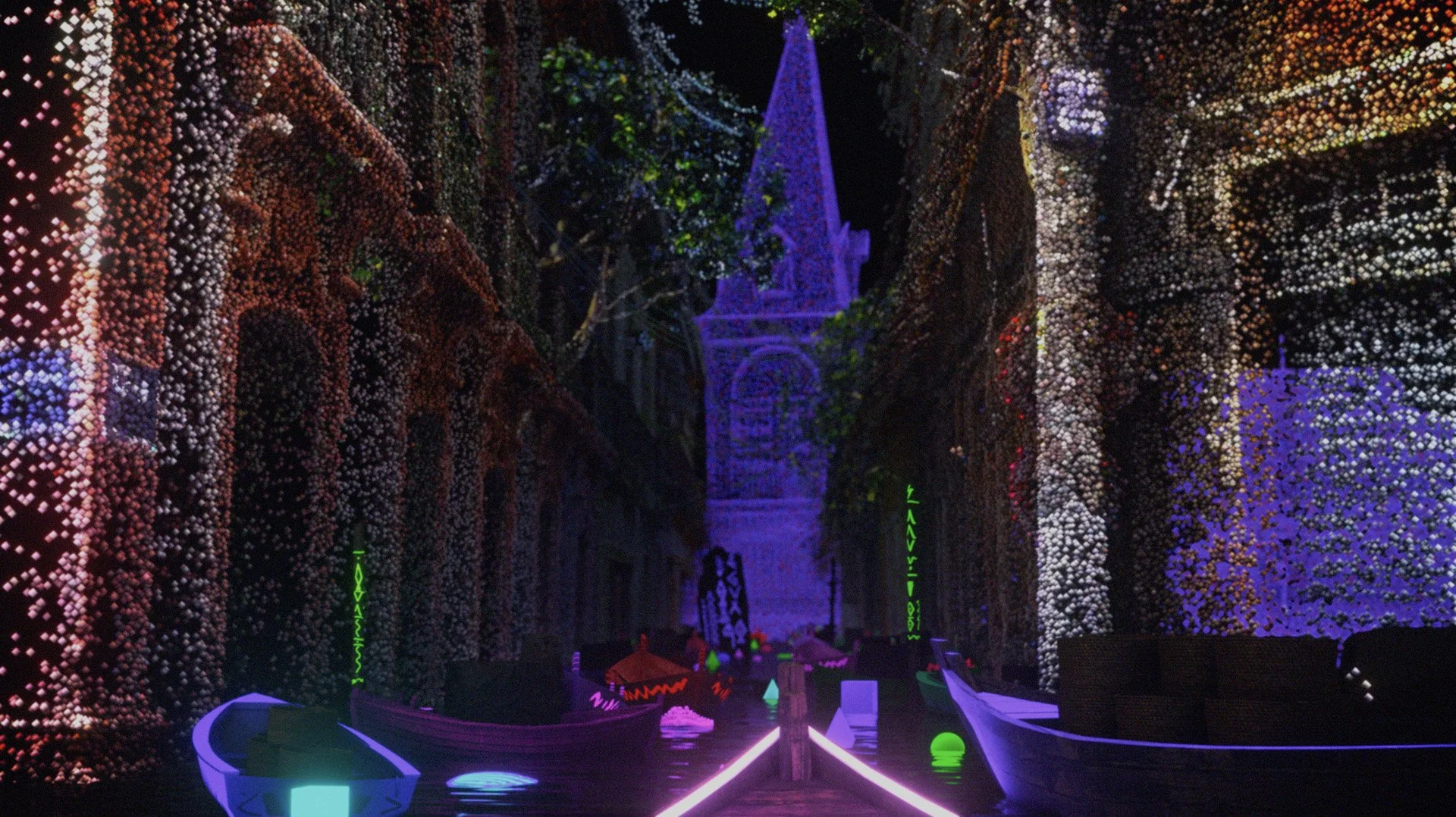
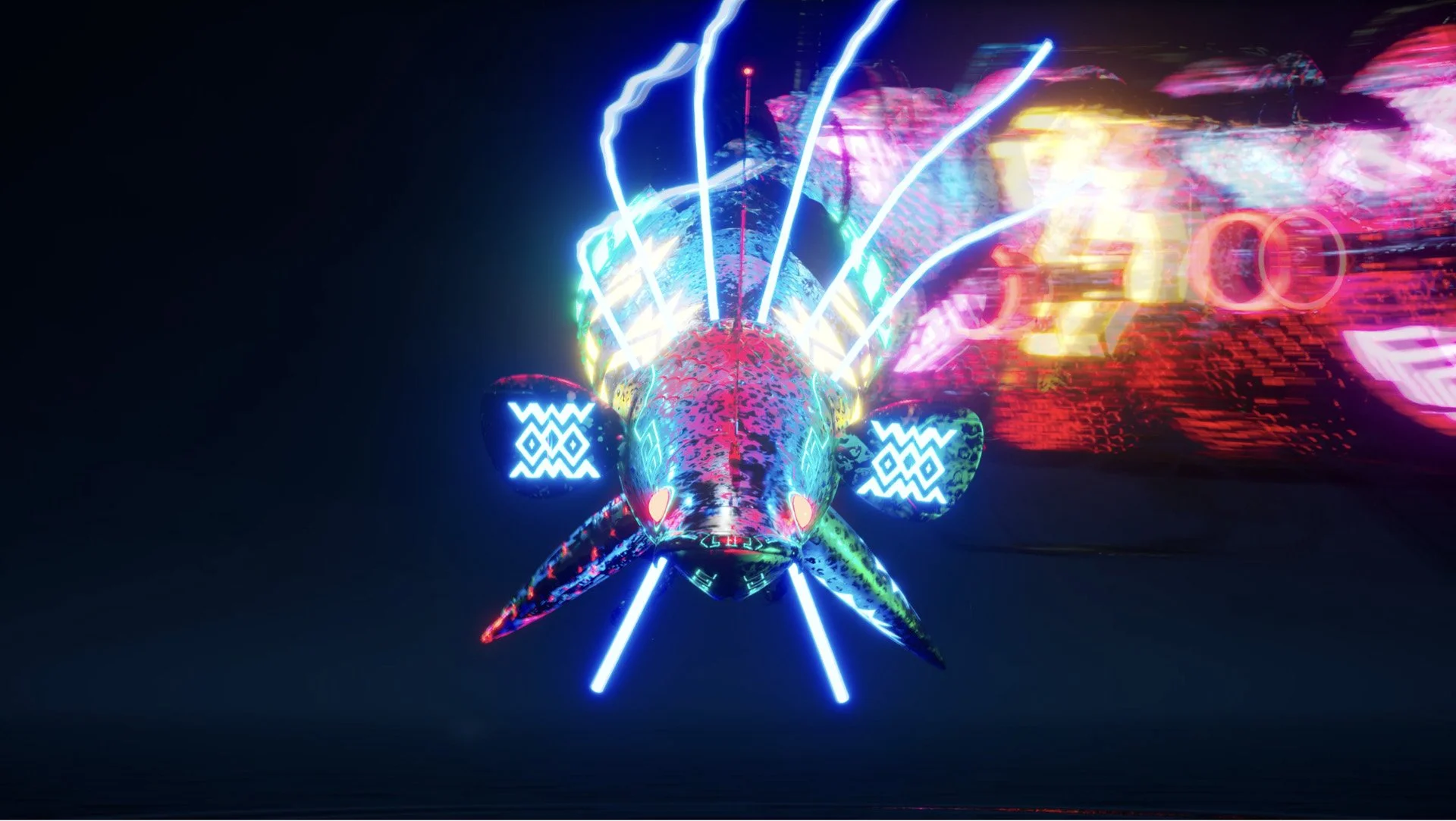
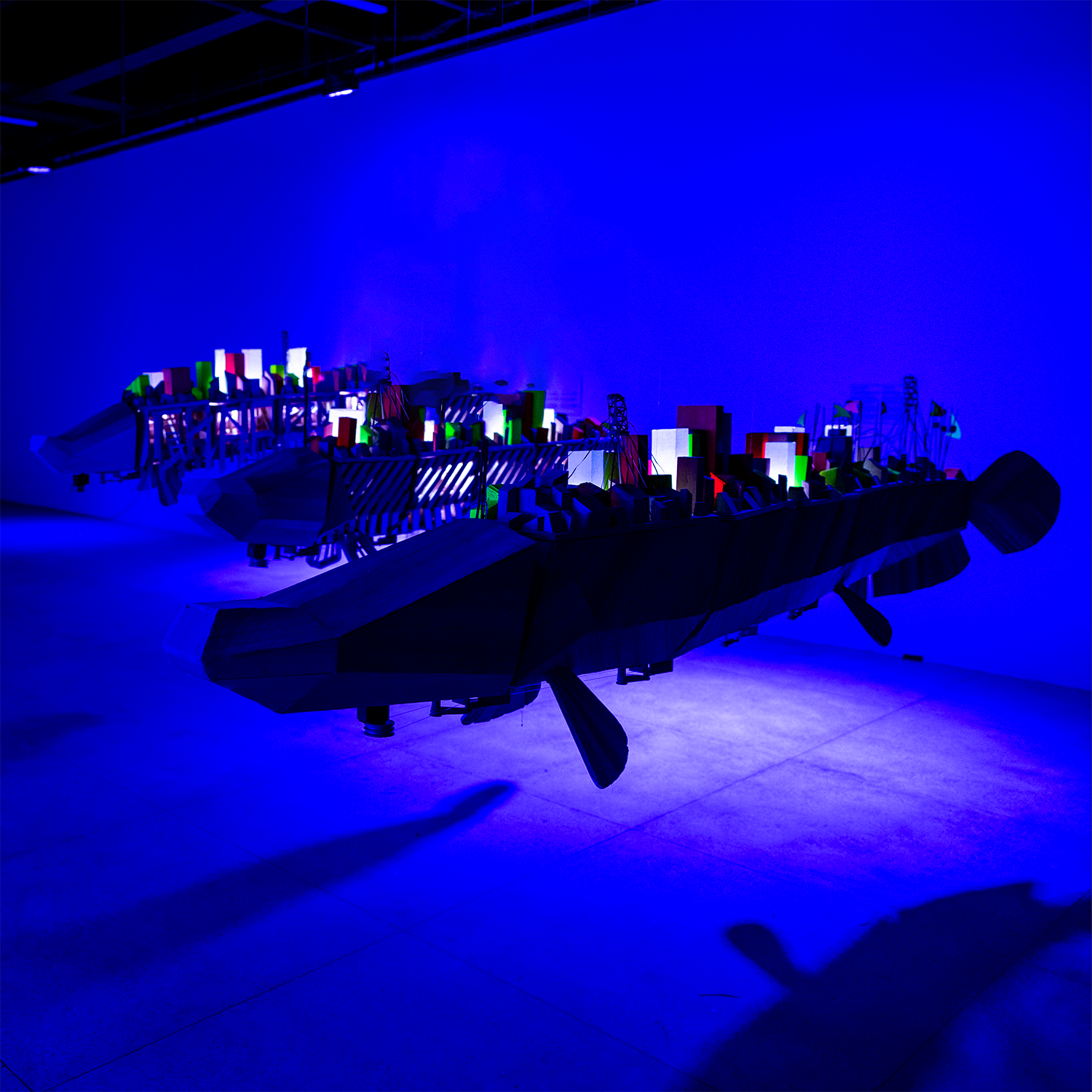
This world unfolds across three spatial ecologies—High Lands (Terra Alta), Swarm Cities (Cidades-Cardume), and the Constellations (Constelações)—which reinterpret contemporary Belém’s architectures and practices, from riverine communities and floating markets to high-rise districts, festivities, and aparelhagens, through a post-climate, post-capitalist lens.
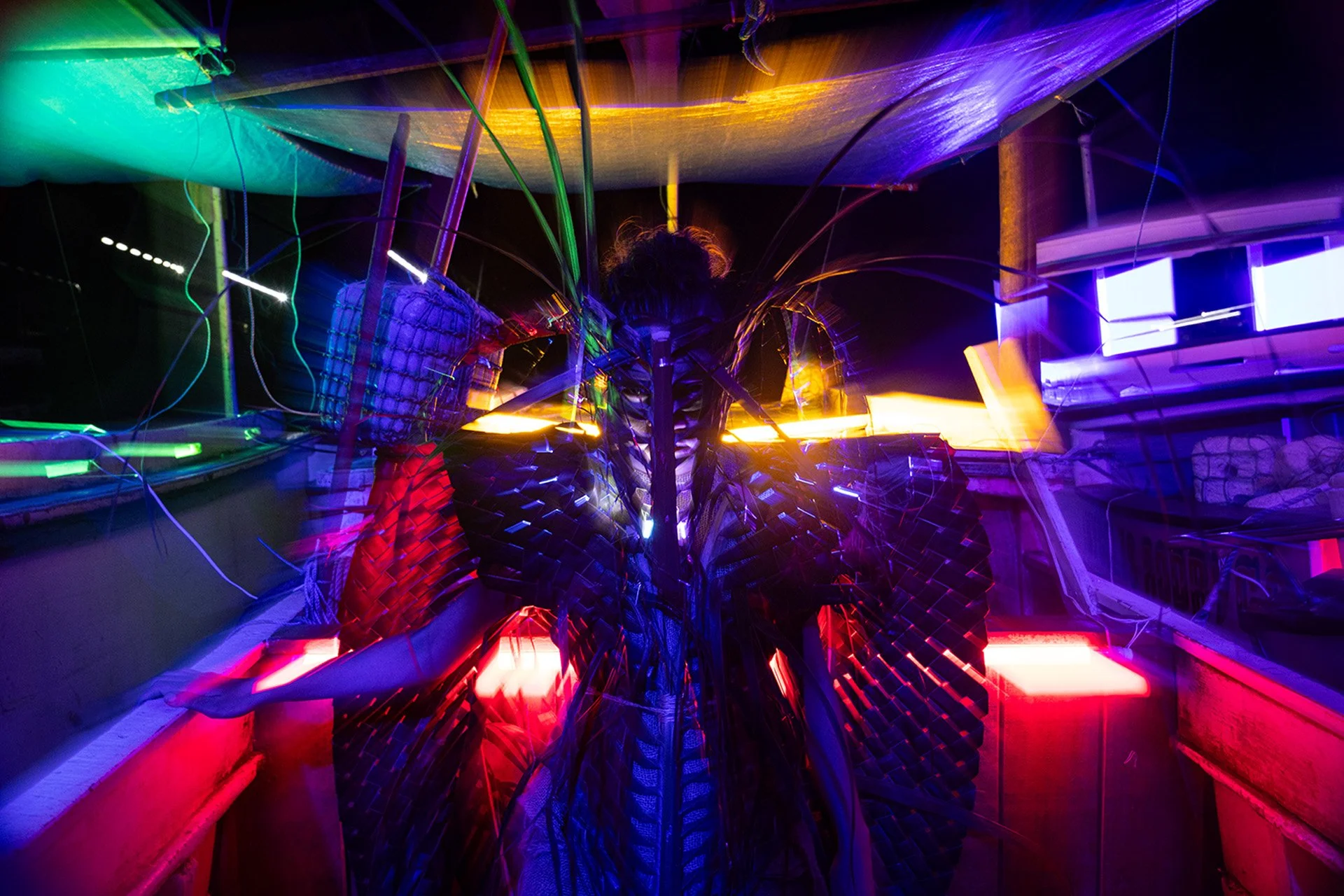
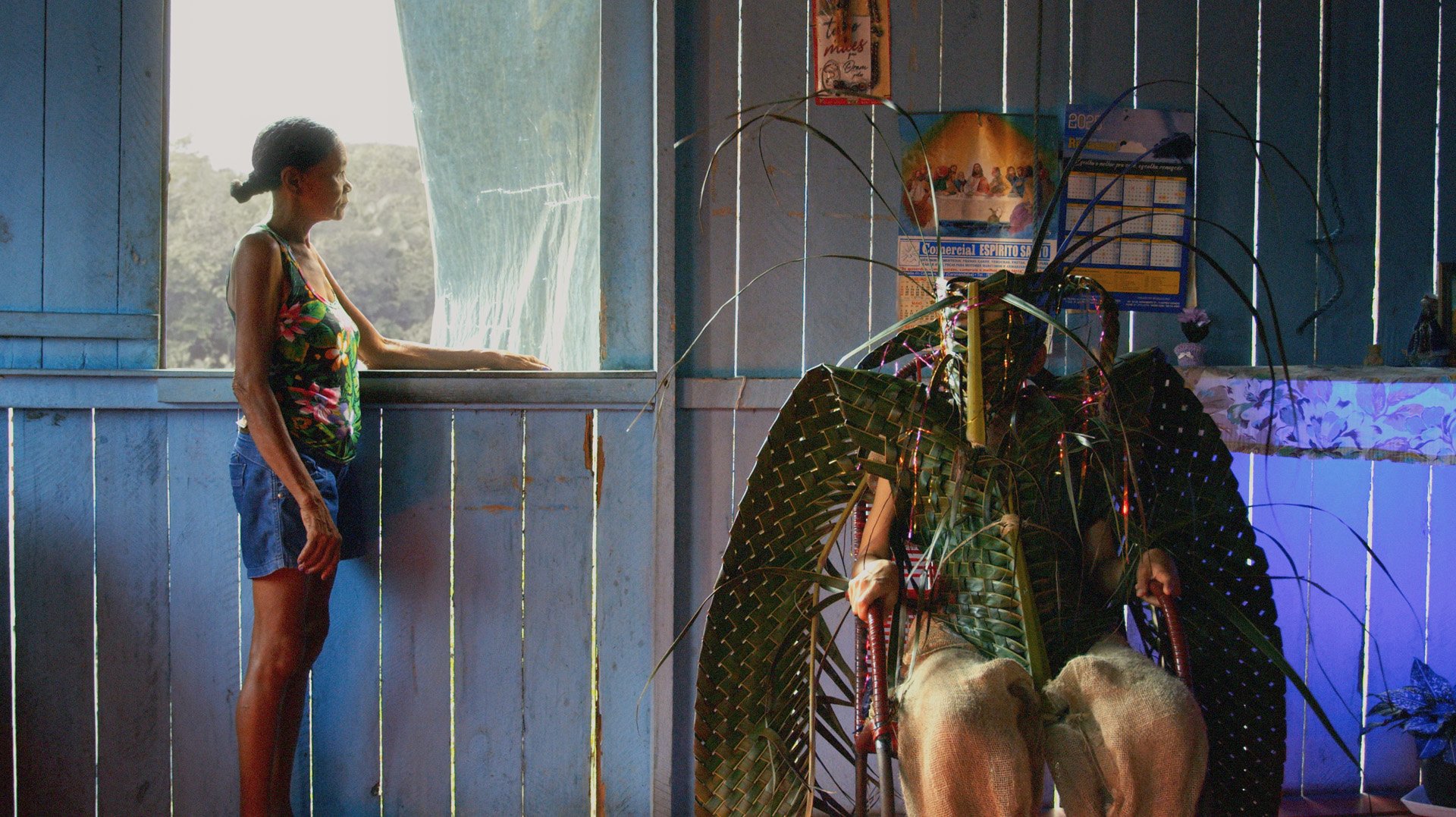
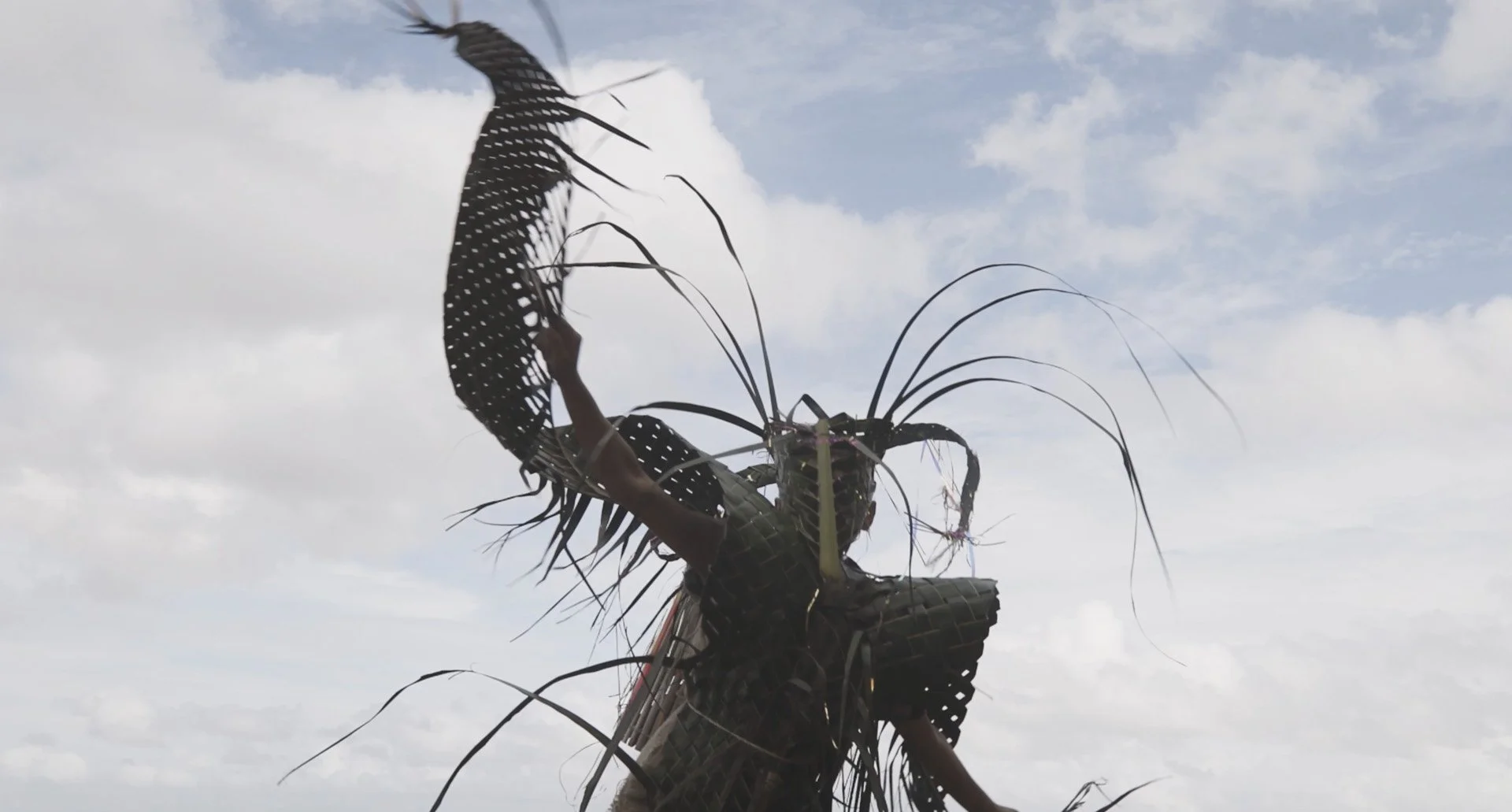
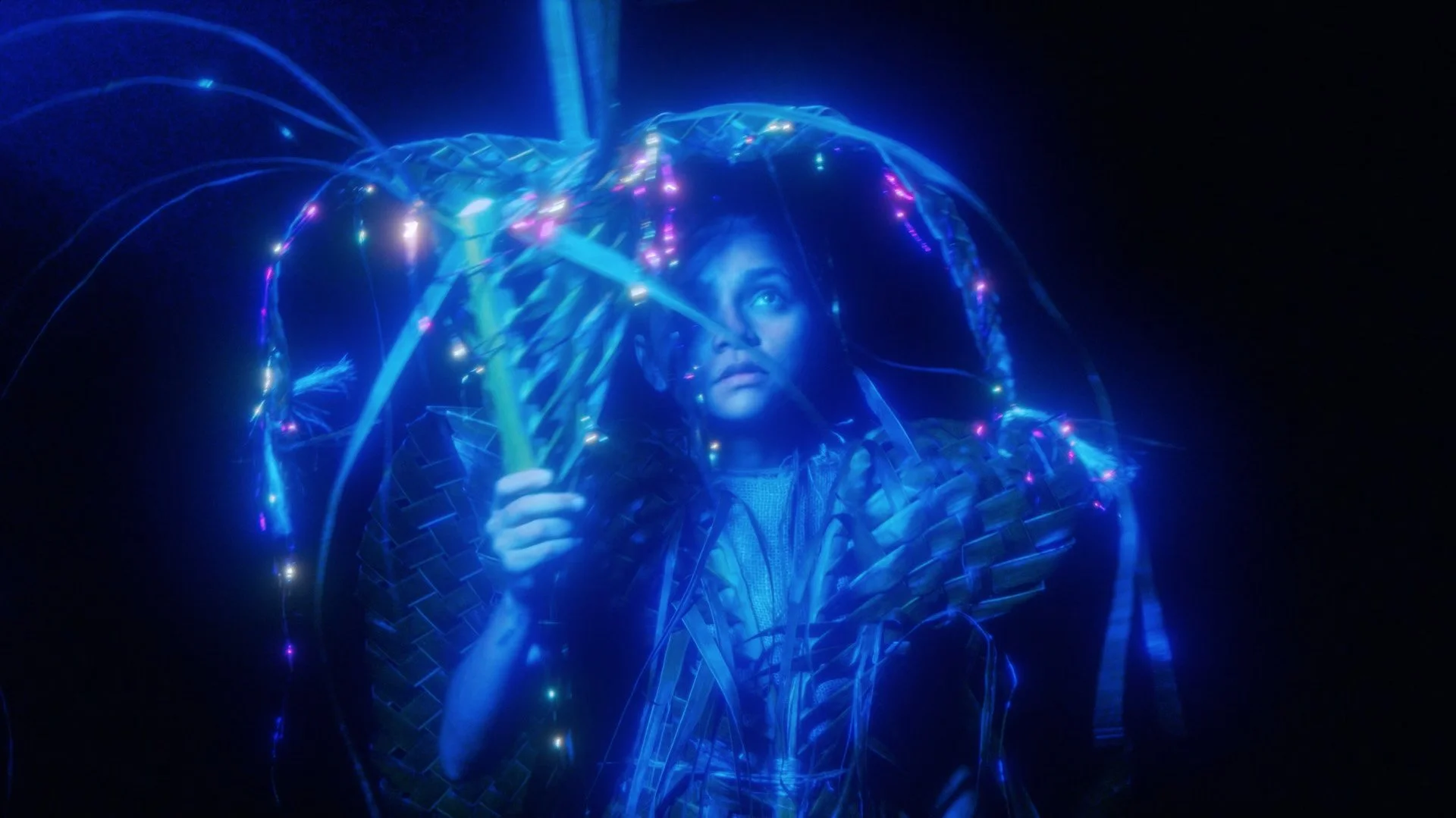
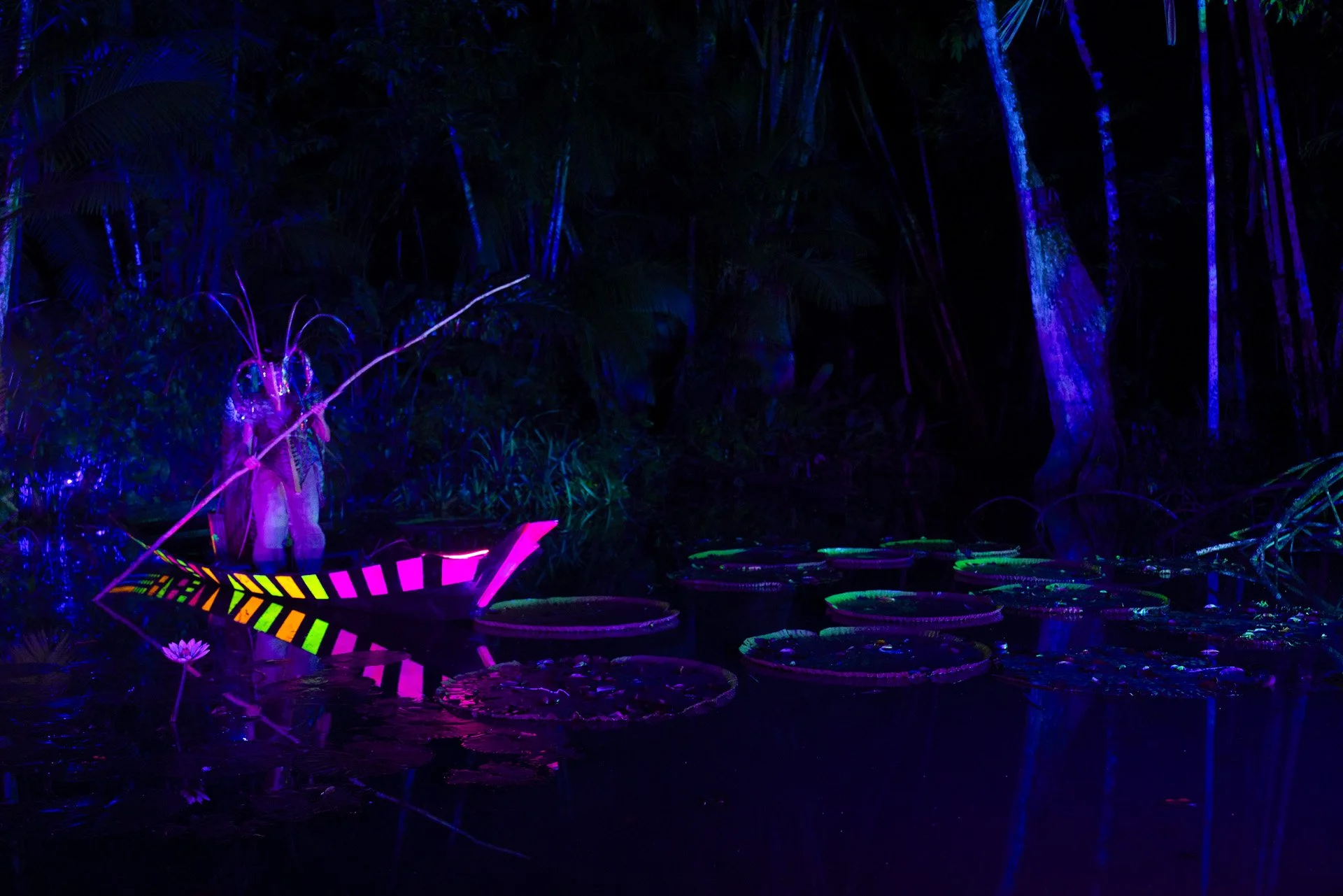
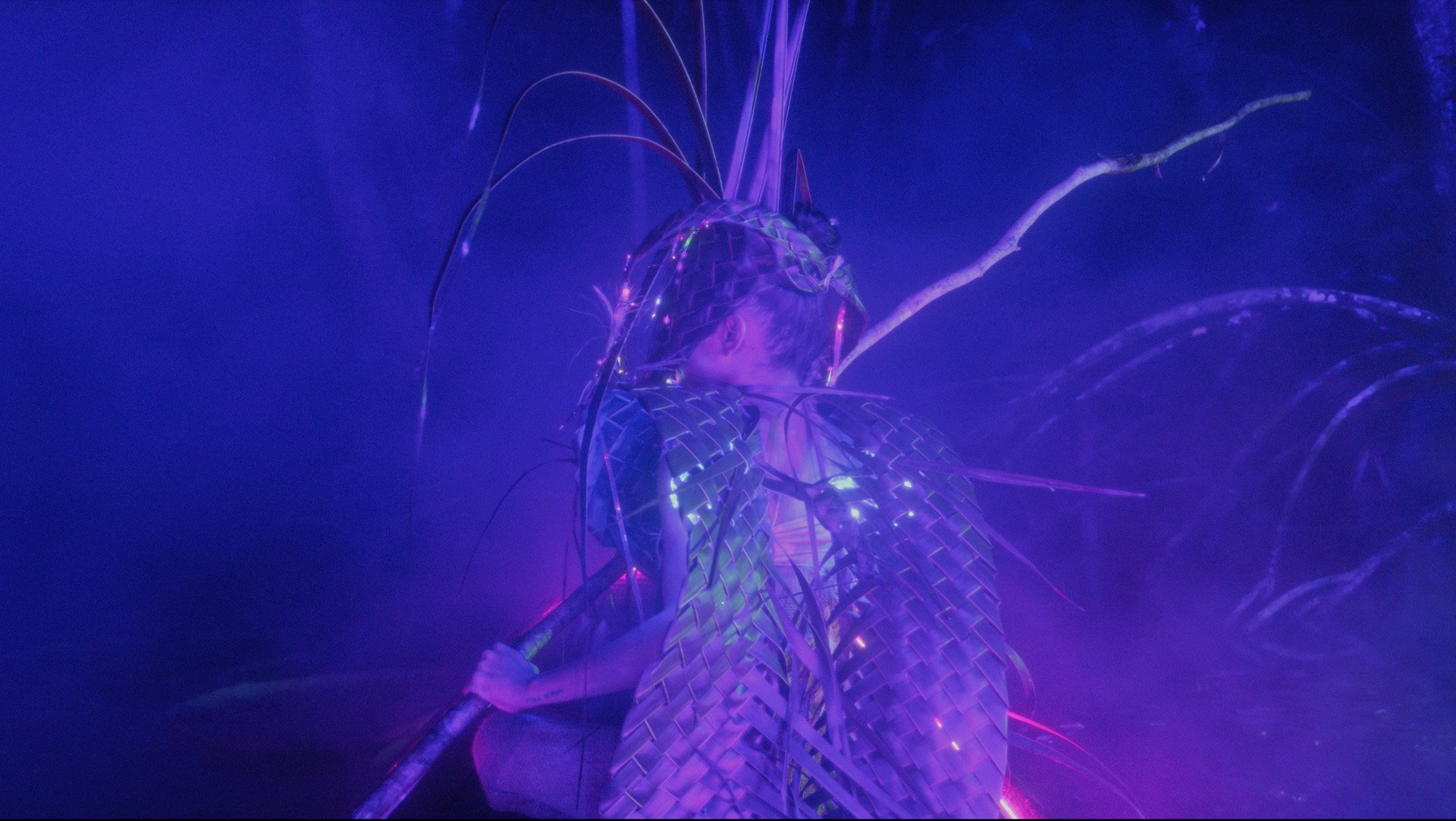
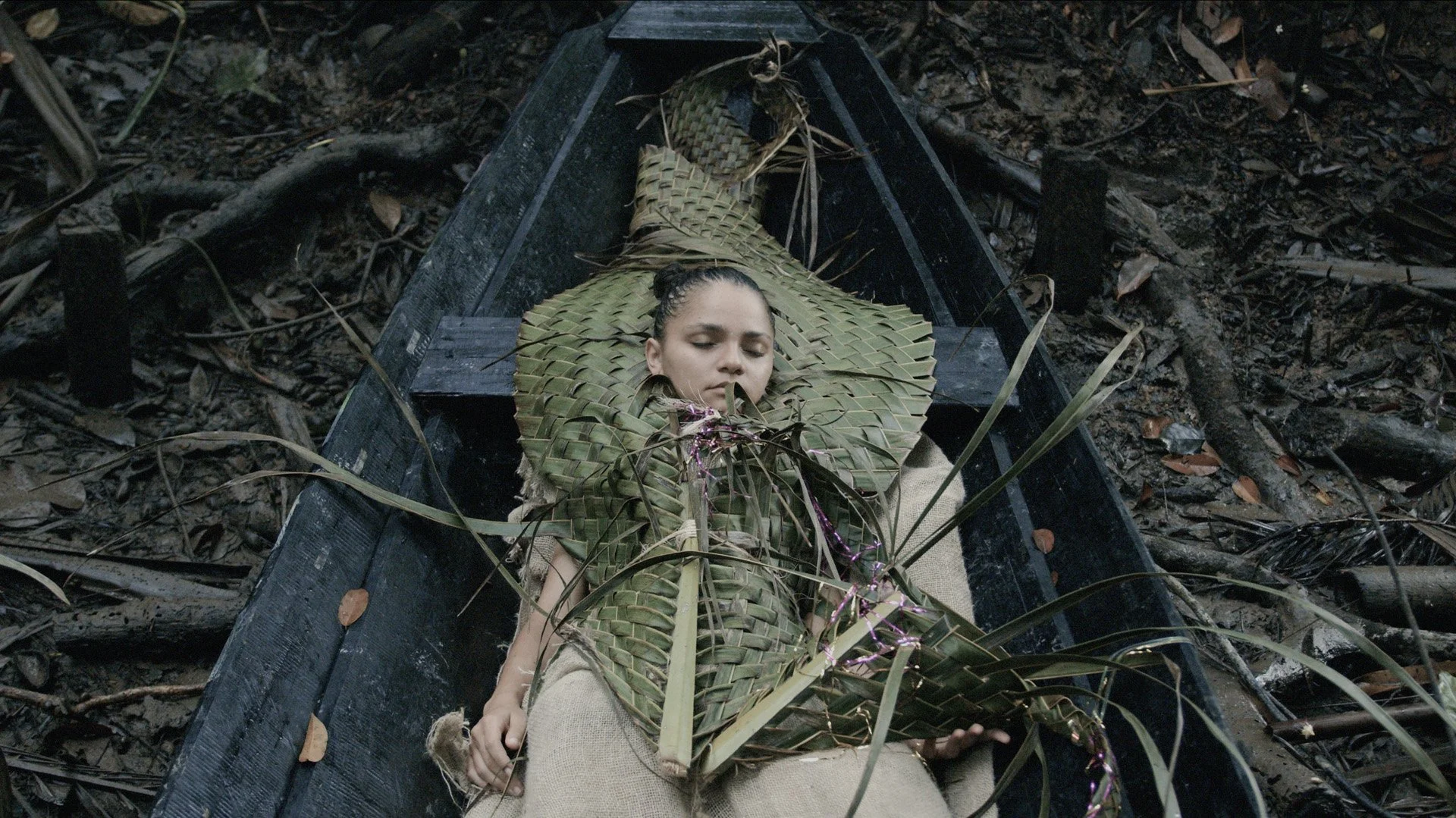
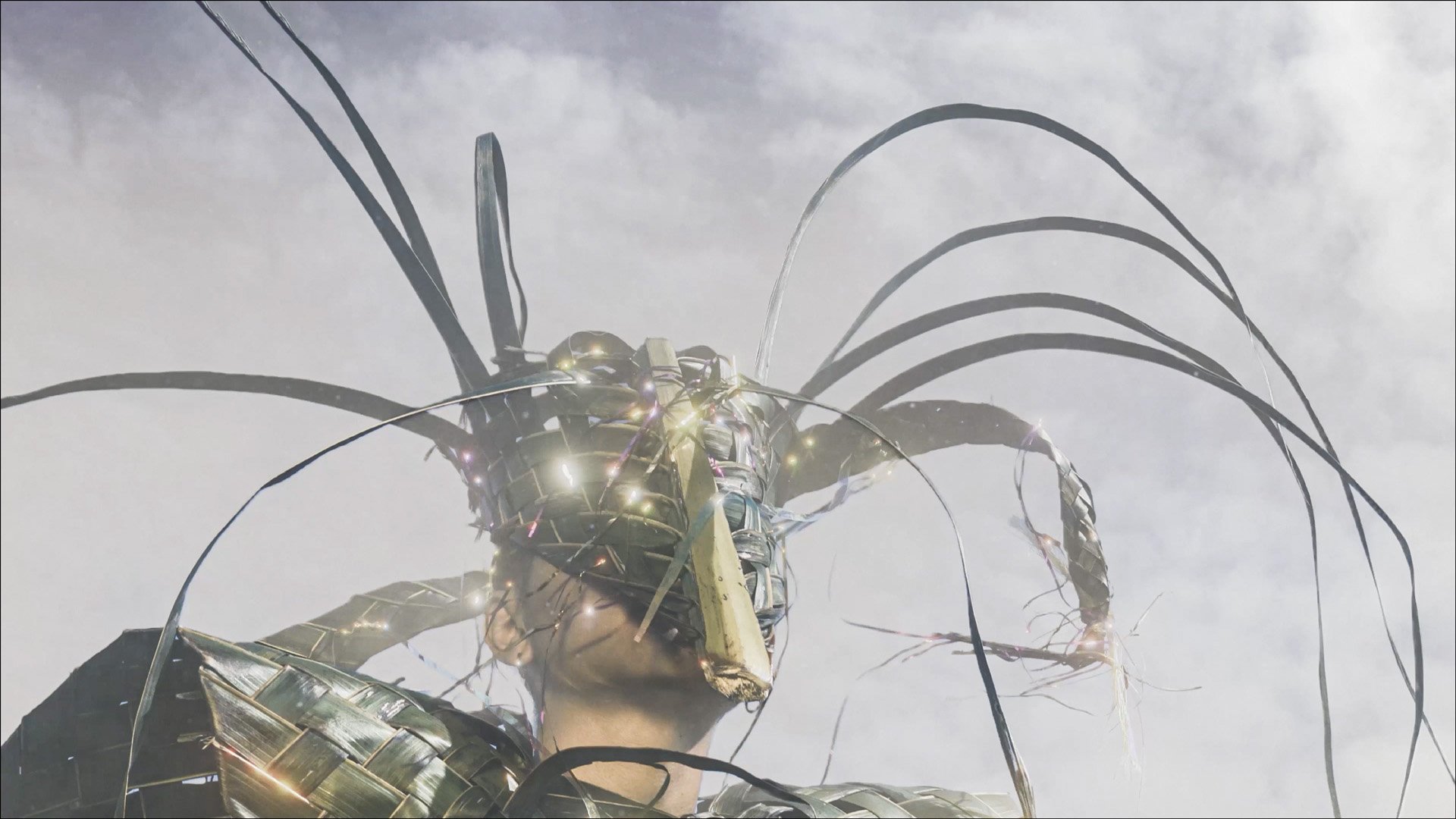
The narrative is guided by the Barqueira (boat keeper), a river navigator moving between forest and city, and between physical and digital realms. Inspired by riverine children who pilot their own boats between villages, she embodies autonomy and adaptation, bridging past and future as a trader of black earth that sustains both the city and its robotic creatures.
TEK + TECH
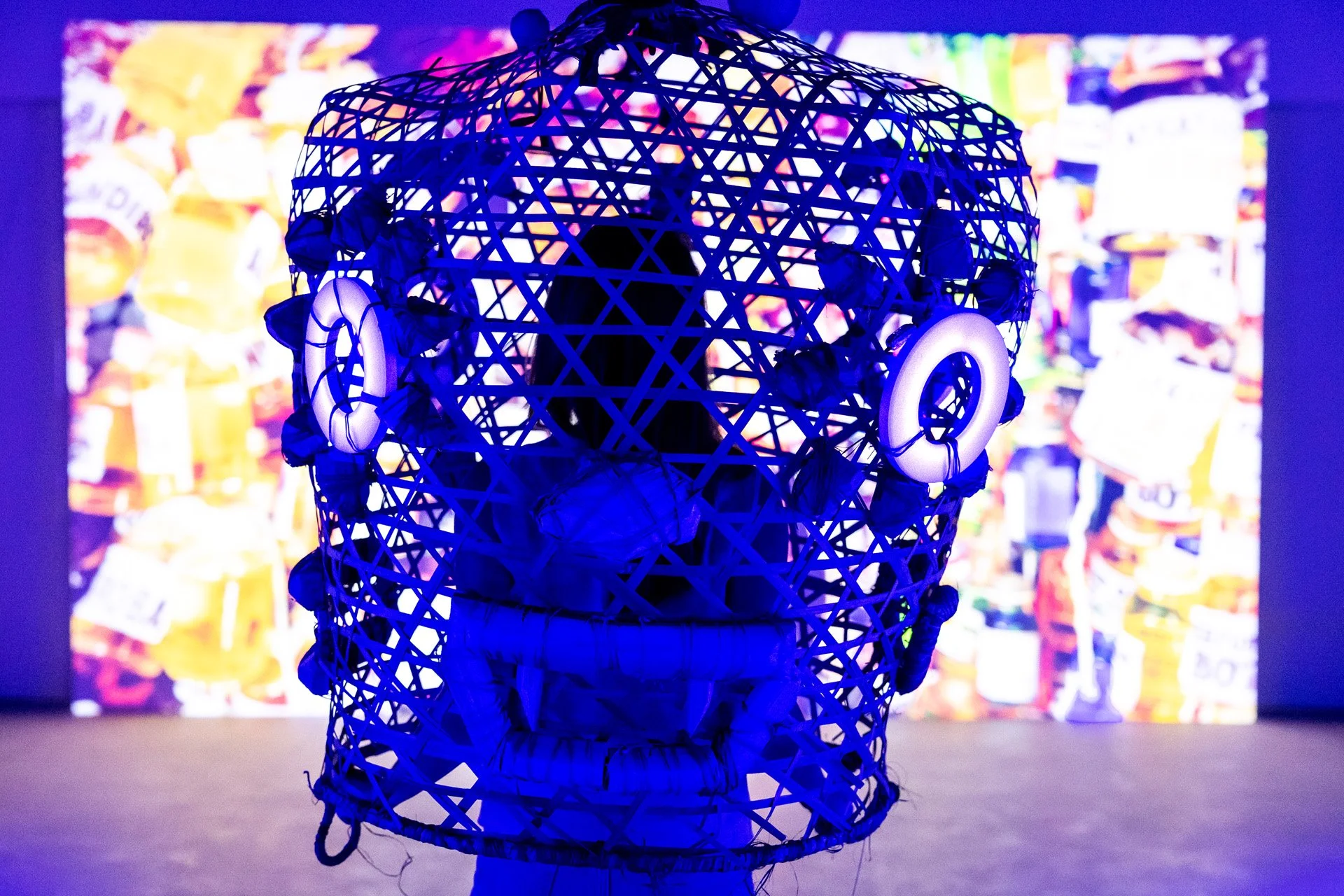
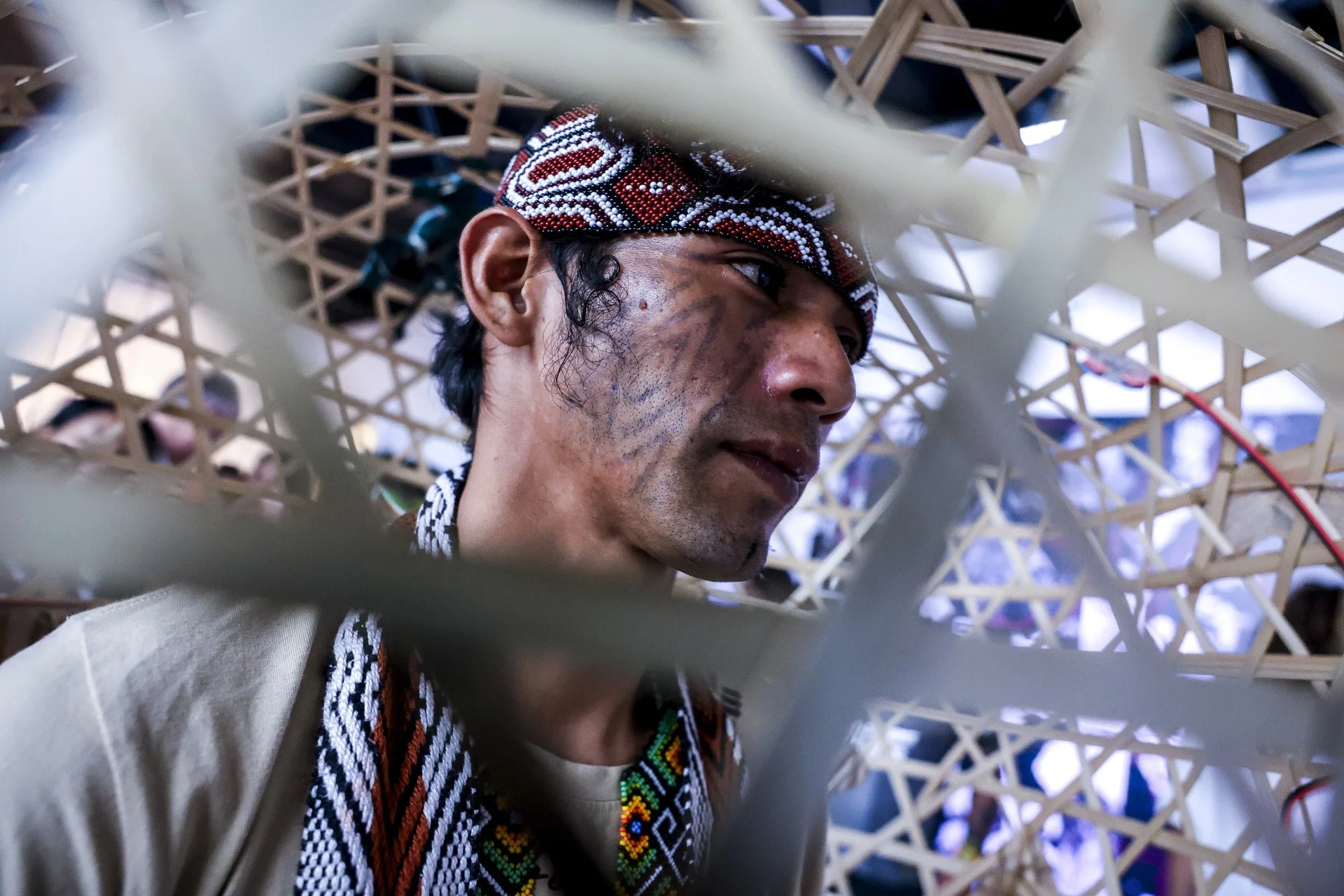
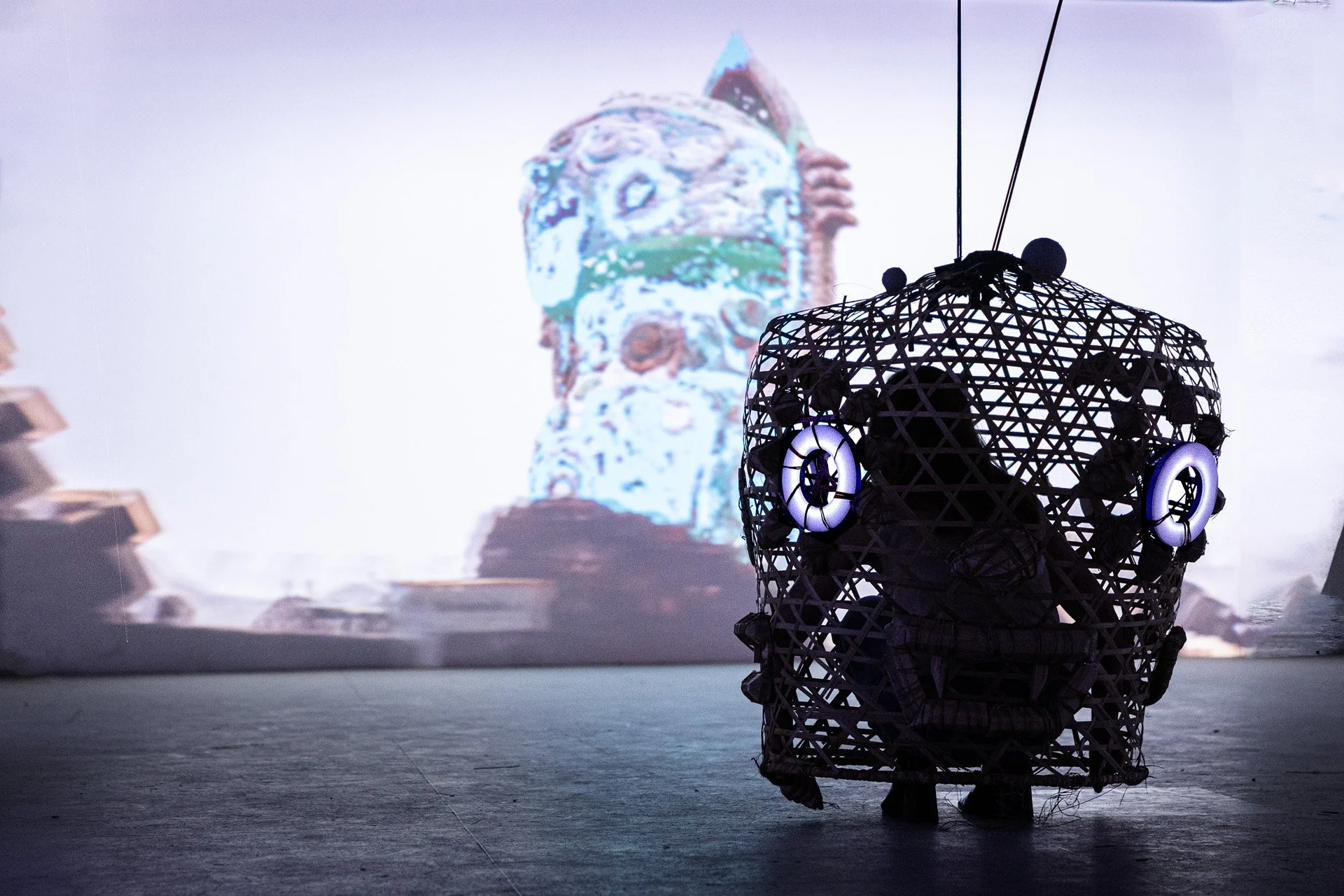
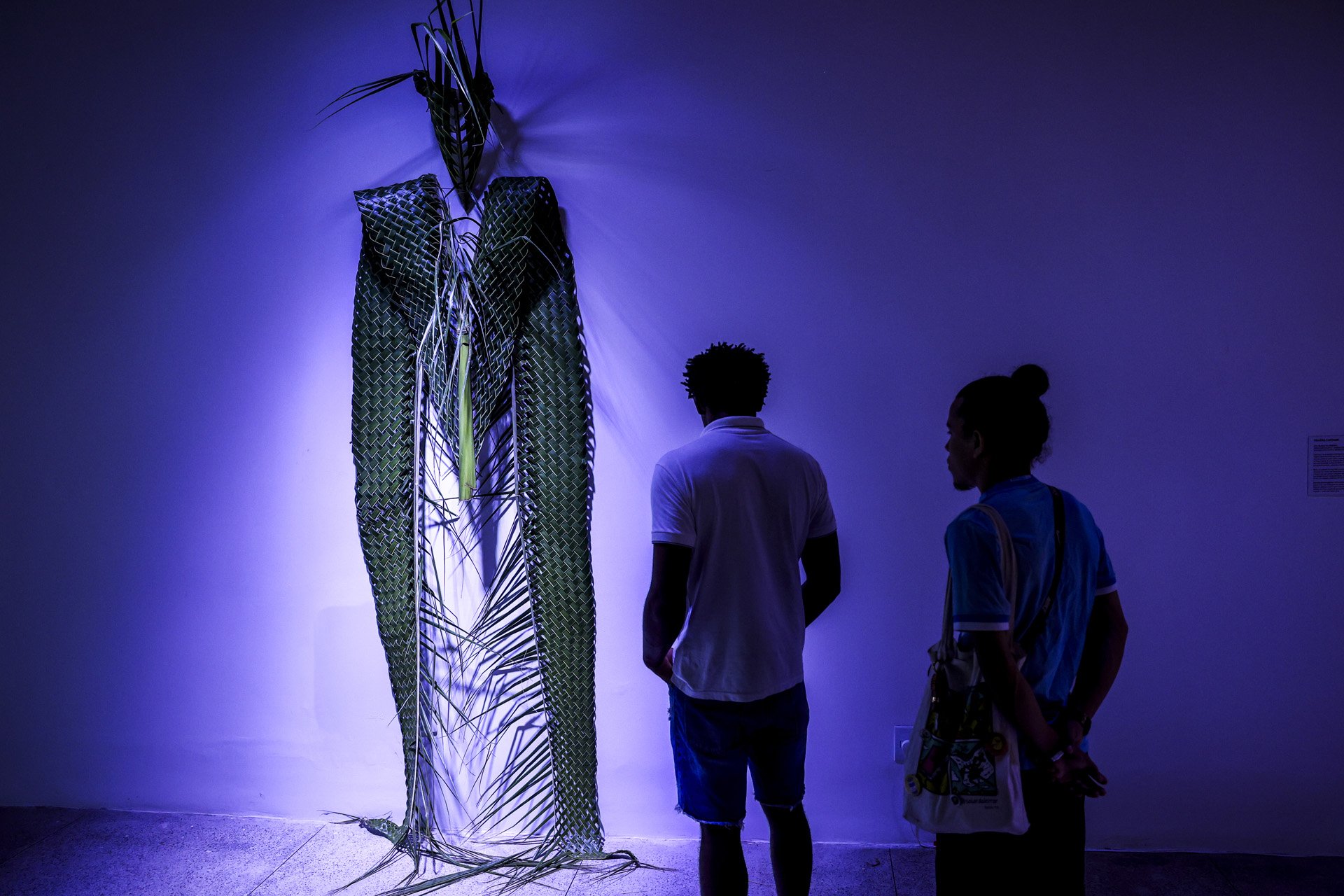
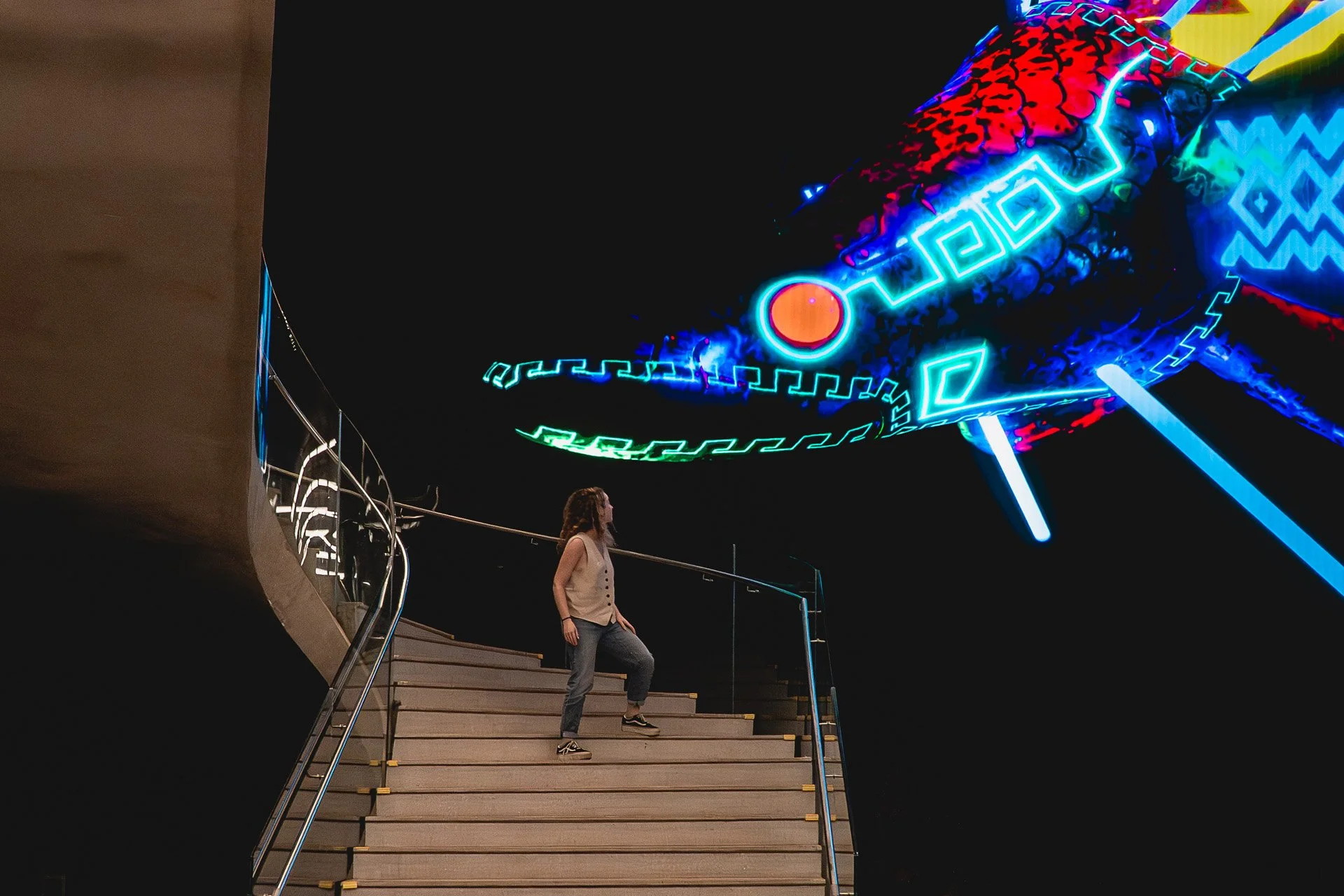
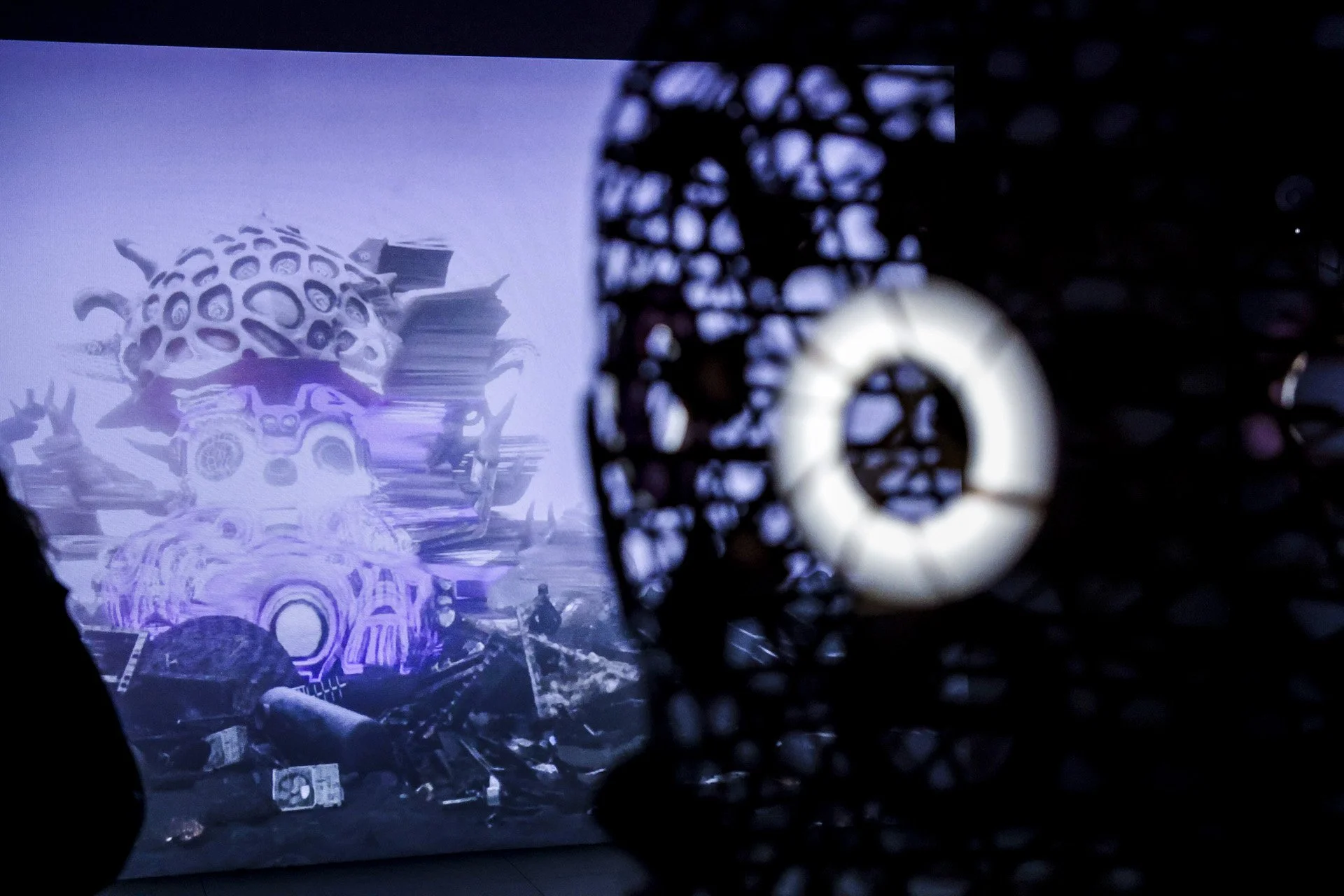
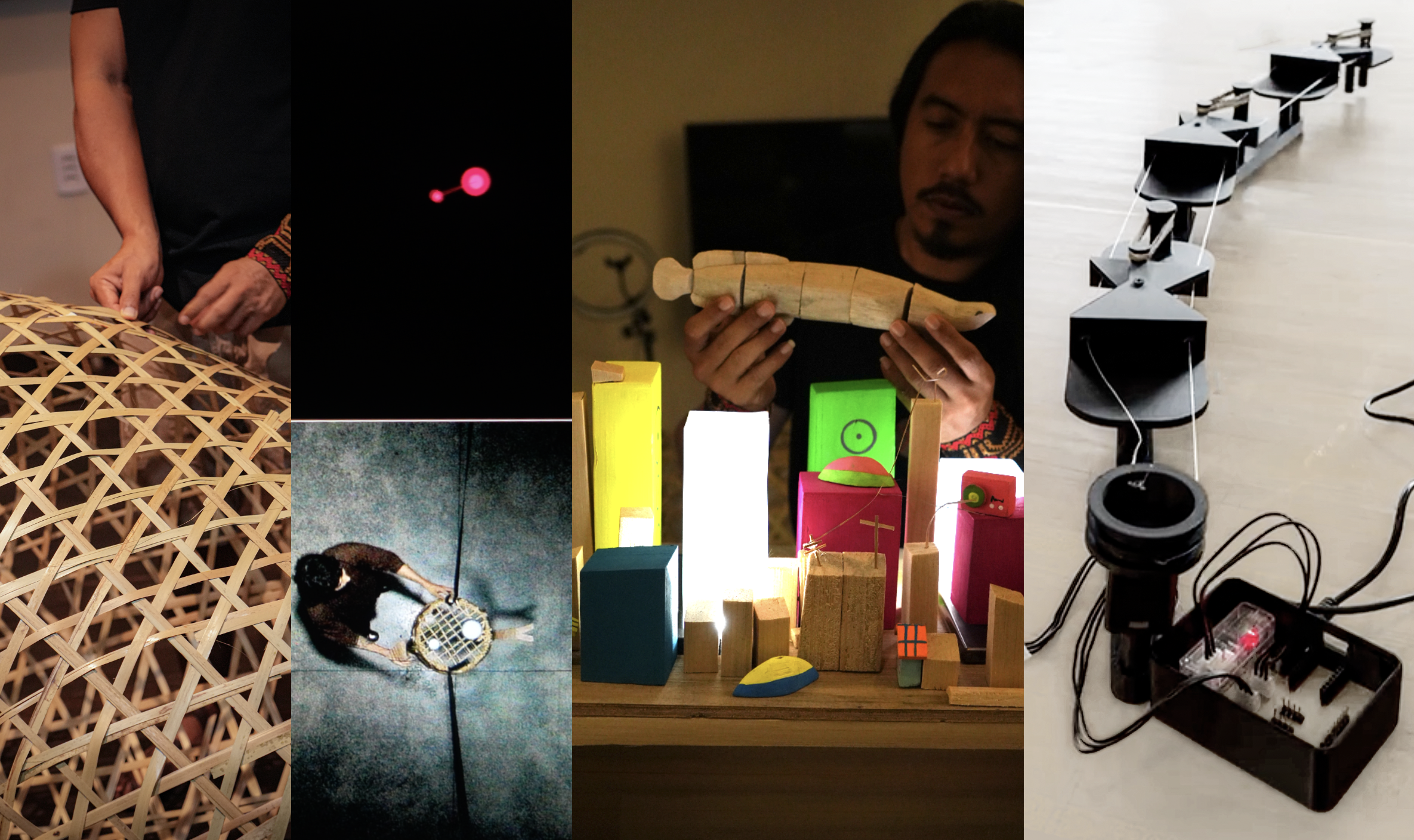
At the core of The Imaginary Atlas lies a dialogue between ancestral and emerging technologies. Miriti wood construction, weaving, and basketry techniques intertwine with sensors, camera tracking, and real-time projection systems.
This collaboration is not purely technical, it is a mutual learning process that brings together local craft artists, and engineers to co-create new forms of expression. The resulting hybrid objects act as living interfaces, responding to touch, movement, and sound. Each gesture in the physical world ripples through digital space, reflecting a broader vision of coexistence between technology, culture, and ecology.
Digital Libraries
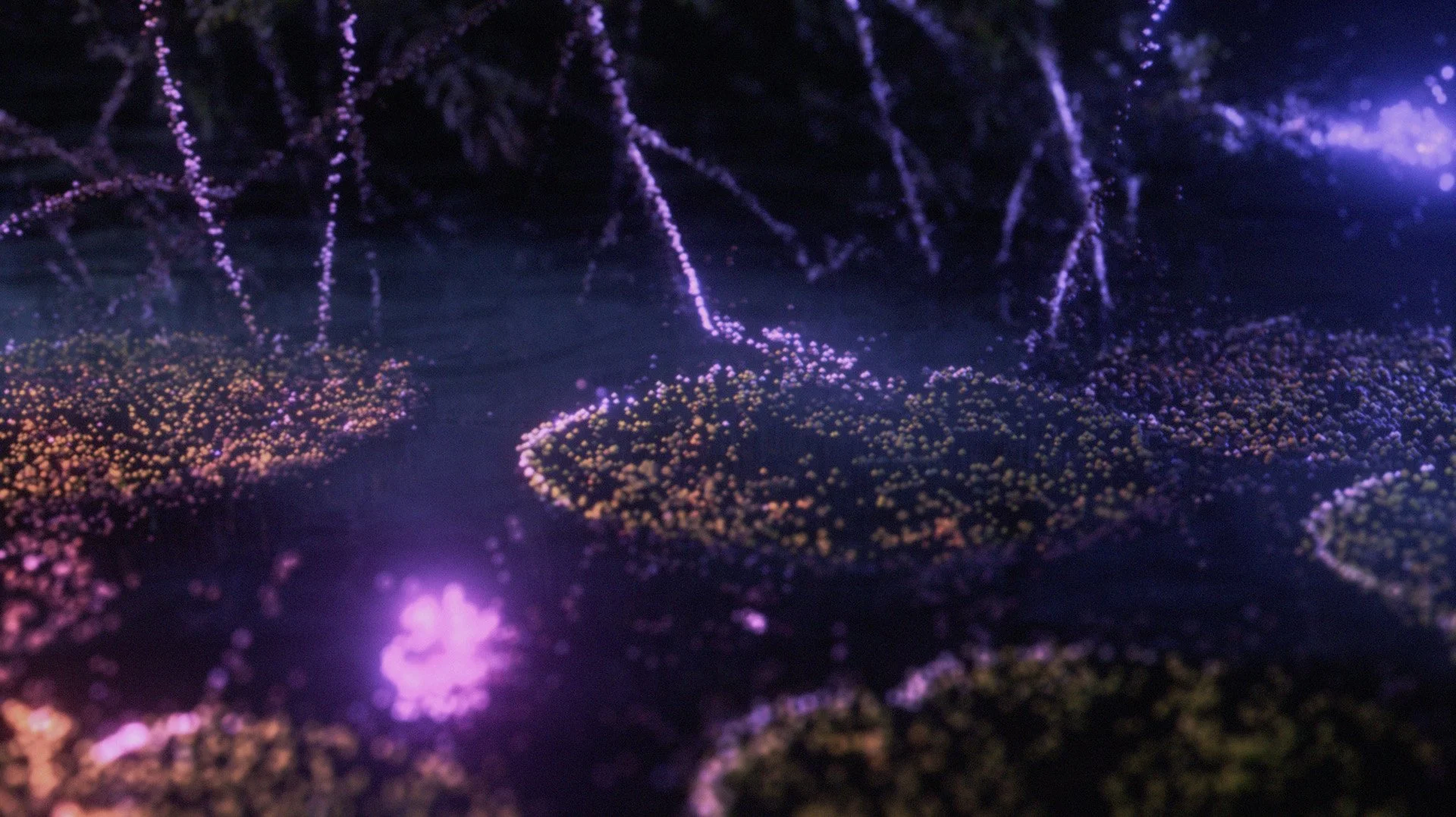
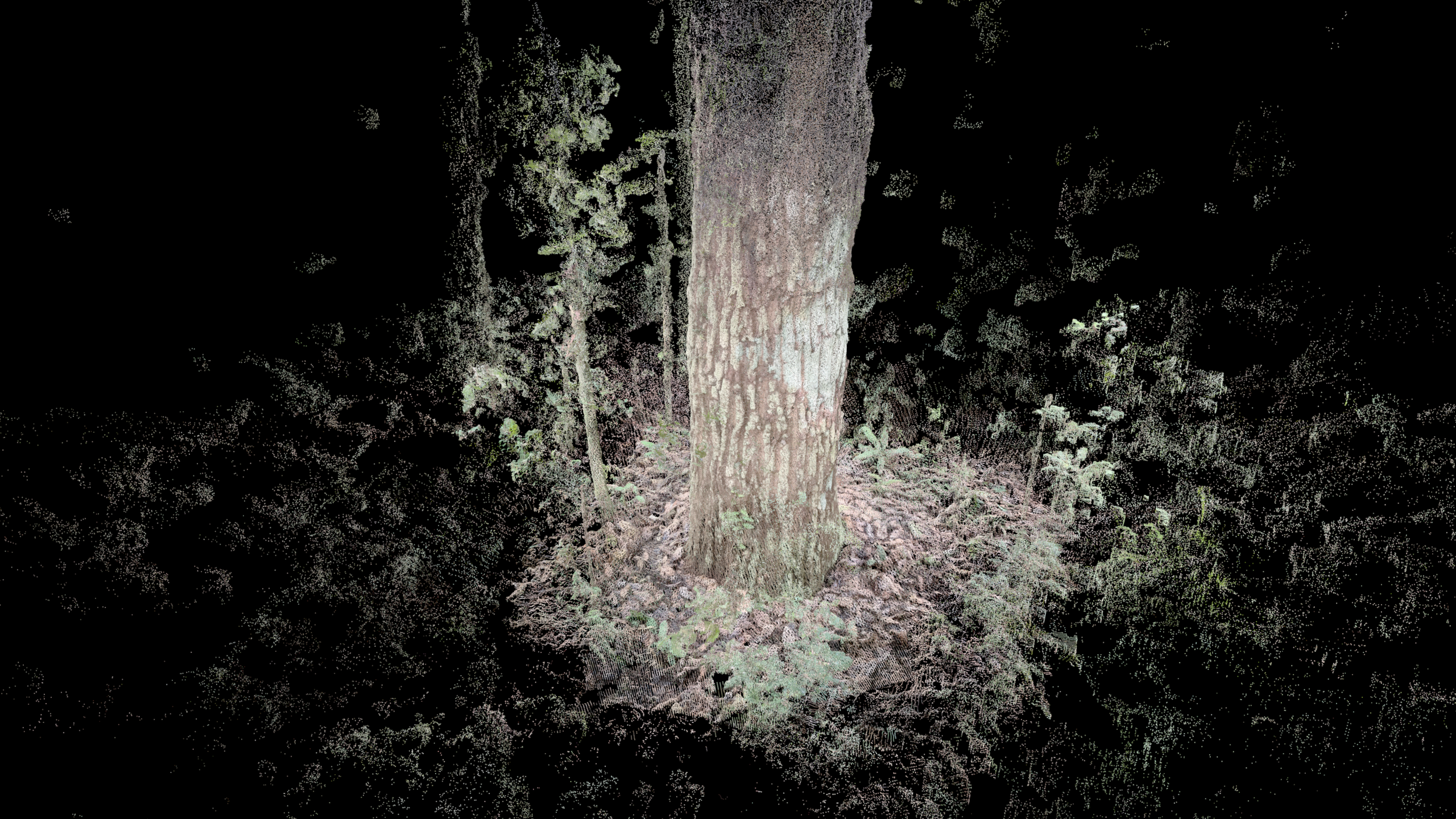
We use 3D scanning technologies to build digital libraries of forests and cities that form the foundation of the installation. These libraries capture both biodiversity and urban environments, from forest textures and plant species to architectural elements from the region.
As the project evolves, this digital archive will become open source, expanding into a methodology applicable to other regions of Brazil. At a time when 3D archives of Brazilian biodiversity remain rare, the project helps fill a critical gap.
Soundtrack by Leo Chermont with participation of Iris da Selva.
The Imaginary Atlas, Amazonia was developed by MIT City Science Center and Quanta Novas Fronteiras.
Exhibited at: COP30 - Forum Landi (Belém do Pará, BR) and SESI Lab (Brasilia, BR)
Project director: Gabriela Bìlá
Technologies director: Diogo Costa Pinto
Executive Producer: Henrique Rocha (HiperEspaço)
Rumos Itaú Mentor: Thaissa Lahma
Local Research Assistance: Luan Rodrigues, Victoria Machado
Film | Barqueira (Performer): Iris da Selva / Costume Design: Labö Young / Cinematography: Luan Rodrigues, Juca Culatra / Lighting Design: Natasha Leite (Cenolux) / Production: Juca Culatra / Set Assistance: Alexandre Afonso Mota, Gabriel Barbosa dos Santos / Extras: Enivaldo Amaral Monteiro, Manuel Ferreira Brito, Maria Rodrigues da Poça, Jerry Silva Bahia
Post: Soundtrack: Leo Chermont / 3D VFX: Lucas Seixas (Ribs+Seixas), Lucas Chagas (SelectaStrange) / Editing: Pedro Ribs (Ribs+Seixas) / Art assistance: Lucas Chagas, Ribs+Seixas / Color Grading: Luciano Santa Bárbara / Post-Production Supervision: Nilma Gomes / Digital Lab: Guilherme Calaça, Isabel Cardozo, Samara Ribeiro / Online: Leonardo Oliveira, Beto Waite
Interactive scenes | 3D Environment Composition: Lucas Chagas / Sound Effects: Leo Chermont / 3D Technical Artists: Clara Luna, Lucas de Jesus / 3D Assets: Jean Petra / Texturing: Ralez
Installation 01 - Big Head | Basketry: Marcelo Vaz (DIMIRITI) / Tracking System: Dimitre Lima / LEDs: Jonathan Cohen
Installation 02 - Swarm City | Miriti Wood Sculpture: Marcelo Vaz (DIMIRITI) / Electromechanical System: Jonathan Cohen, Kye Shimizu / Interactive LED Lighting: Dimitre Lima
Olfactory Signature | Victoria Machado (Luna Amazonia)
Exhibition Production | Production: Mariana Marques / Exhibition set up: Alexandre Afonso Mota and OKA Studio (Belém), Isis Passos (Brasília)
Exhibit documentation | COP30: Raoni Figueiredo (video), Bruno Carachesti (photo) / Sesi Lab: Vitor Mesquita (video), Naiara Pontes (photo)
Acknowledgements | Vila Sapo Community, Mosqueiro – Pará, Brazil / Vale da Benção Community, Caxiuanã National Forest – Pará, Brazil
Institutional Partners | Faculty of Architecture and Urbanism, Federal University of Pará (FAU-UFPA) / Ferreira Penna Scientific Station / Fórum Landi / Museu Paraense Emílio Goeldi
Made possible with support of Rumos Itau Cultural, FAC - Fundo de Apoio a Cultura do DF, MIT Center for Art, Science & Technology (CAST).